Why is the Check Engine Light On and What Should You Do?
- What the check engine light actually does
- Quick actions you can take right now
- Most common causes in plain English
- What happens if you ignore it
- Typical NZ repair costs
- DIY or pro: how to decide
- Preventing the next check engine light
- If you just bought a used car and the light came on
- Conclusion
- Frequently Asked Questions

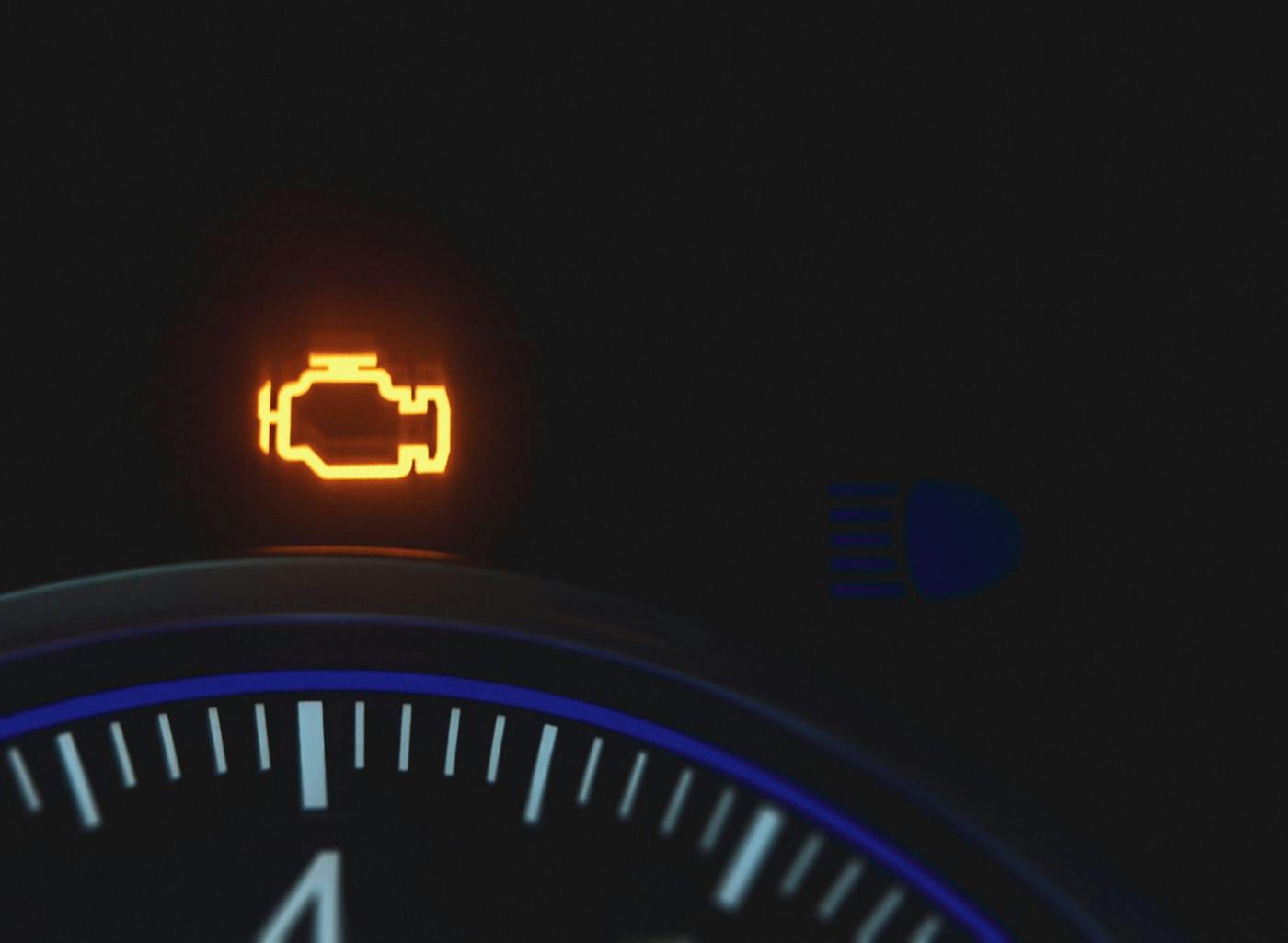
That little amber engine icon can turn a normal drive into a stress test. The good news: a check engine light (CEL) is your car’s early-warning system, not a guarantee of disaster. Below is a simple, New Zealand-focused guide on what it means, what to do right now, common causes, realistic repair costs in NZD, and why it matters for WoF and safety.
Can I keep driving?
- Flashing light or car feels rough
Stop when safe and arrange a tow. Driving on risks converter damage.
- Solid light, car feels normal
Drive gently, avoid heavy loads, and book diagnostics soon.
- Just refuelled?
Re-seat and tighten the fuel cap; if the light stays on after a few trips, scan for codes.
What the check engine light actually does
Modern cars constantly self-check their engine and emissions systems. If something drifts out of normal range, the system stores a fault code and turns the light on to tell you it needs attention. It’s there to prevent small issues from becoming big ones.
Solid light vs flashing light
- Solid light
Usually a non-urgent issue, but don’t ignore it. Reduce hard acceleration and get it scanned soon.
- Flashing light
Potential misfire or serious fault. Stop driving when safe and arrange a tow or mobile mechanic. Driving on may cause catalytic converter damage.
Quick actions you can take right now
- Check your fuel cap
If you recently refuelled, make sure the cap is tight and the seal is intact. A loose cap can trigger a CEL.
- Scan for codes
Use an OBD-II scanner (many workshops and parts stores can read codes). Note the code and description for next steps.
- Drive gently
If the light is solid and the car feels normal, minimise heavy loads and book diagnostics as soon as you can.
- If flashing
Pull over safely, avoid further driving, and organise professional help.
Most common causes in plain English
There are dozens of possible reasons, but these crop up most often across NZ workshops:
- Loose or cracked fuel cap
Triggers an evaporative-emissions fault. Cheap and easy fix if the cap seal is the culprit.
- Oxygen (O₂) sensor fault
The sensor tracks oxygen in the exhaust. When it fails, fuel mix goes off and economy drops.
- Catalytic-converter efficiency issue
Often the downstream result of long-term misfires or rich running. Can be pricey if the converter itself needs replacing.
- Ignition components
Worn spark plugs or failing coils cause misfires, rough running, hard starts, and flashing CEL if severe.
- Mass airflow (MAF) sensor
If dirty or dying, the engine stumbles, stalls, or uses more fuel. Sometimes a careful clean helps; sometimes it needs replacement.
A note on fault codes (DTCs)
Each time the CEL comes on, your car stores a diagnostic trouble code. Think of it as a pointer to the system at fault. It’s a starting point, not the full story. A good tech will use live data and checks to confirm the real cause.
What happens if you ignore it
- Bigger repair bills
A small misfire today can wreck a catalytic converter tomorrow. Early fixes are cheaper.
- Poor fuel economy
Running rich or with faulty sensors usually means more fuel burned and higher costs.
- Higher emissions
You’ll pollute more than necessary and risk failing roadworthiness checks if emissions-related faults aren’t fixed.
- Breakdowns and safety risks
Some faults lead to stalling, loss of power, or rough running at bad moments.
NZ WoF reality check
In New Zealand, a persistent CEL tied to engine management or emissions can lead to a failed Warrant of Fitness. If the light is on, get it sorted before inspection day.
Typical NZ repair costs
Ballpark figures vary by make, model, and parts availability. Use these NZD ranges to budget:
Repair / part | Typical symptoms | DIY | Pro install (NZD) |
|---|---|---|---|
| Fuel cap / seal | CEL after refuelling, evap code | $0–$30 NZD | $30–$80 |
| Oxygen (O₂) sensor | Poor economy, rich/lean codes | $120–$250 | $150–$450 |
| Spark plugs (set) | Misfire, rough idle, hard start | $50–$120 | $75–$225 |
| Ignition coil (each) | Misfire under load, flashing CEL | $60–$180 | $120–$350 |
| MAF sensor | Stall/surge, poor economy | $80–$250 | $150–$600 |
| Catalytic converter | Low power, P0420/P0430 | — | $750–$3,000+ |
What changes the price
European or luxury models, tricky access, multiple sensors, and diagnostic time can increase costs. Quality parts and proper calibration are worth it if you want the light to stay off.
DIY or pro: how to decide
- Good DIY candidates
Fuel cap, air filter, spark plugs on accessible engines, MAF cleaning with the correct cleaner.
- Best left to a technician
Flashing CEL, catalytic-converter faults, complex wiring or intermittent issues, or when the engine runs rough.
Preventing the next check engine light
- Stick to the service schedule
Oil, filters, spark plugs, and inspections on time. Skipping services is false economy.
- Use quality parts and fluids
Cheap sensors and off-spec fluids cause headaches. OEM or reputable brands tend to last.
- Fix small issues early
A slight misfire or stumble today can turn into a flashing light and a tow bill tomorrow.
- Watch for recalls and TSBs
If your car has a known issue and an update exists, get it done. It can prevent recurring faults.
If you just bought a used car and the light came on
Annoying, but not uncommon. Sometimes codes are cleared before a sale and return once the car completes its self-tests.
- Step 1: Scan for codes
Scan for codes and note the exact fault (code + description).
- Step 2: Contact the seller
If recently purchased—especially from a dealer—contact the seller to discuss next steps.
- Optional: Pull a vehicle history report
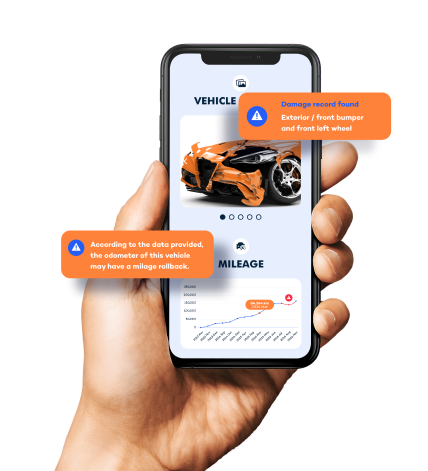
For extra certainty, pull a vehicle history report to see if the car has a pattern of issues or recent repairs tied to the fault. It won’t diagnose the engine, but it can reveal useful background when you’re deciding how to proceed.
Conclusion
A check engine light is your car asking for attention, not a reason to panic. If it’s solid, drive gently and book diagnostics soon. If it’s flashing, stop and get help. Fixing issues early saves money, protects your WoF outcome, and keeps you safer on the road.
Frequently Asked Questions
How serious is the check engine light?
It depends. A solid light can be something minor, like a fuel cap. A flashing light usually means stop driving and seek help. Either way, scan the code and deal with it promptly.
Can I drive with the check engine light on?
If it’s solid and the car drives normally, you can usually drive a short distance to a workshop. If it’s flashing or the car feels rough, pull over safely and arrange a tow.
Why is my check engine light on after an oil change?
Sometimes it’s unrelated and coincidental. Sometimes a connector or sensor was disturbed, or the maintenance reminder wasn’t reset. Get the code read to confirm.
Will a check engine light fail my WoF in NZ?
It can. If the fault relates to engine management or emissions, it’s likely to fail until the issue is fixed and the light is off.


JOIN THOUSANDS OF PEOPLE USING VINDOCS
Get vehicle history report instantly.


JOIN THOUSANDS OF PEOPLE USING VINDOCS
Get vehicle history report instantly.
Welcome to VinDocs. Here you can perform a VIN check to get the most comprehensive, insightful, and up-to-date car history report in New Zealand. Long gone are the days when it was nearly impossible to find a complete history of a vehicle.
TOOLS
COMMUNITY
COMPANY
SUPPORT
DECODERS BY MAKE
VinDocs.com © All rights reserved 2026

