How to Jump-Start a Car: A Simple, Step-by-Step Guide
- Safety First (Read This Bit)
- Tools You’ll Need
- Signs of a Dead Battery
- Step-by-Step Guide to Jump-Starting a Car
- Using a Portable Jump Starter (No Donor Car)
- When You Should NOT Jump-Start
- What If the Jump-Start Doesn’t Work?
- Troubleshooting at a Glance
- After the Jump: Quick Health Checks
- Keep Your Battery Happy
- Conclusion
- Frequently Asked Questions

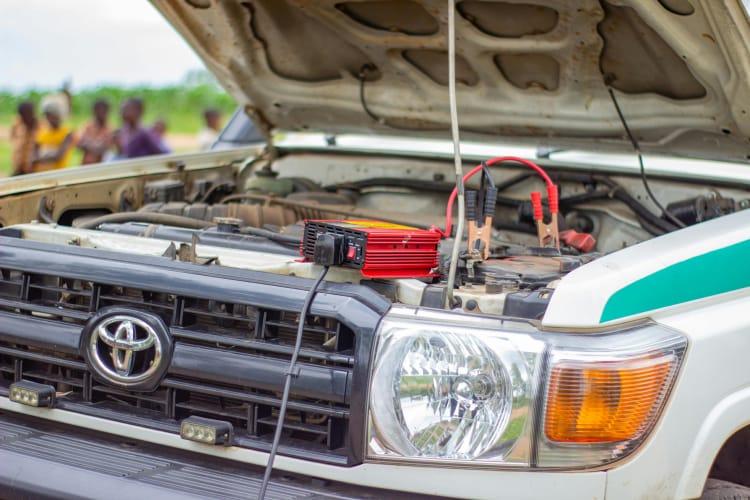
A dead battery always seems to strike at the worst time. The good news is you can usually get moving again in a few minutes if you know the basics. This no-nonsense guide walks you through the tools you need, the exact order to connect cables, what to check if it doesn’t work, and how to avoid the same headache next time.
Safety First (Read This Bit)
- No sparks, no smoking
Batteries vent flammable gas. Keep flames and metal/jewellery away.
- Check the battery
Do not jump a cracked, leaking, swollen or frozen battery—call a pro.
- Use proper points
Many cars (especially hybrids/start-stop) have dedicated jump posts. Use those instead of hard-to-reach terminals.
- Hybrids & EVs
Only jump the 12V system at the specified posts. Never touch the high-voltage system—see the owner’s manual.
Tools You’ll Need
Grab these before you start. It makes everything faster and safer.
- Jumper cables
A good, thick set with clean, tight clamps. Keep a set in your boot.
- A car with a healthy battery
Your donor vehicle. Park it close, but make sure cars are not touching.
- Portable jump starter (optional)
A compact power pack you charge at home. Perfect when no second car is around.
Signs of a Dead Battery
Not sure it’s the battery? These are the classic giveaways.
- Clicking, no crank
You turn the key or press start, but hear rapid clicks instead of the engine turning over.
- Dim or no lights
Dashboard and interior lights are weak or dark. Headlights look yellow and faint.
- Electrics won’t wake up
Windows, radio, and central locking act lazy or don’t respond at all.

Step-by-Step Guide to Jump-Starting a Car
Follow this order exactly to reduce sparks and keep things safe.
- 1) Park and prep
Position the cars nose to nose or side by side so cables reach easily. Switch both ignitions off, remove keys, engage handbrakes, and pop the bonnets.
- 2) Connect the cables in this order
Red clamp to positive (+) on the flat battery.
Red clamp to positive (+) on the good battery.
Black clamp to negative (–) on the good battery.
Black clamp to clean, unpainted metal on the flat car’s engine or chassis (a solid bracket or bolt). Do not connect this last black clamp to the flat battery’s negative post. - 3) Start the donor car
Let it idle for 2 to 5 minutes so some charge flows across.
- 4) Start the flat car
Try a normal start. If it fires up, let it idle. If it doesn’t, wait a few more minutes and try once more.
- 5) Remove the cables in reverse
Black clamp from the flat car’s metal ground.
Black clamp from the good battery (–).
Red clamp from the good battery (+).
Red clamp from the formerly flat battery (+).
Keep clamps from touching each other or metal parts while removing. - 6) Let it recharge
Drive for 15 to 20 minutes to give the alternator time to put charge back into the battery.
Using a Portable Jump Starter (No Donor Car)
- Charge the pack
Ensure the starter is fully charged and switched off.
- Connect correctly
Red to + on the flat battery, Black to a clean metal ground on the car. Follow the pack’s instructions.
- Start the car
Power on the pack, then start the engine. Disconnect in reverse order.
When You Should NOT Jump-Start
- Battery damage or freeze
Cracks, leaks, bulging case, or suspected frozen battery.
- Unknown fluid under bonnet
Stop and get a tow if you see/smell leaks around the battery or engine bay.
- High-voltage worries
Hybrids/EVs with unclear jump points—use the manual or call a pro.
What If the Jump-Start Doesn’t Work?
No start after a clean connection isn’t the end of the road. Try this next.
- Check clamp bite and polarity
Clamps must grip clean metal, not plastic or paint. Confirm red to + and black to − or a clean ground.
- Give it more time
Let the donor car idle another 5 to 10 minutes, then try again.
- Look for corrosion
White or blue powder on battery posts blocks current. Remove cables and gently clean posts and clamps before retrying.
- Consider other faults
If it still won’t start, the issue may be a failed battery, alternator, starter, or a blown fuse. Call roadside assistance or your mechanic.
Troubleshooting at a Glance
Symptom | Likely cause | Next step |
|---|---|---|
| Dash lights OK, single click | Starter/starter relay issue | Tap starter gently, check fuses; mechanic if persists |
| Rapid clicks, lights dim | Very low battery or poor cable connection | Reclamp firmly, charge longer, try again |
| Cranks slowly, then dies | Weak battery or failing alternator | Jump, drive 20 min; test charging system |
| Starts then stalls | Charging fault or fuel issue | Charging test; check fuel level and related fuses |
After the Jump: Quick Health Checks
A successful jump is only half the story. Make sure the system is healthy.
- Battery test
After a decent drive, switch off and restart. If it struggles again, the battery may not hold charge and could need replacing.
- Alternator check
If the battery keeps dying shortly after driving, the alternator may not be charging properly. Get a charging system test.
Keep Your Battery Happy
A few simple habits will extend battery life and reduce roadside drama.
- Drive longer, not just often
Short trips don’t recharge a battery fully. Aim for 20 to 30 minute drives now and then.
- Switch accessories off
Headlights, interior lights, chargers, and dash cams can drain a battery if left on with the engine off.
- Keep terminals clean and tight
Corrosion blocks current. A quick clean and snug connection help starting and charging.
- Watch the battery’s age
Most last 3 to 5 years. If yours is getting on, test it annually and replace before it strands you.
Conclusion
Jump-starting a car is straightforward when you follow a safe sequence. Connect in the right order, give the battery time to recover, and drive to recharge. If it won’t start after a couple of attempts, don’t force it — call for help. A little battery care goes a long way toward avoiding this hassle next time.
Frequently Asked Questions
Can I jump-start a car in the rain?
Yes—use the same steps and keep connections as dry as you can. Make solid connections and avoid clamp-to-clamp contact.
How long should I let my car run after a jump-start?
At least 15–20 minutes, ideally with a light drive. Idling helps, but driving recharges more effectively.
Will jump-starting damage my car’s electronics?
Done correctly (right order on/off, clean connections), modern cars are fine. Avoid reverse polarity and remove in reverse order.
Can I use any car to jump mine?
Generally yes for petrol/diesel 12V systems. Avoid using very small batteries to start large engines, and follow the donor car’s manual.
What about hybrids or EVs?
Only jump the 12V system at the specified posts. Never touch the high-voltage battery system; check the owner’s manual or call a pro.


JOIN THOUSANDS OF PEOPLE USING VINDOCS
Get vehicle history report instantly.


JOIN THOUSANDS OF PEOPLE USING VINDOCS
Get vehicle history report instantly.
Welcome to VinDocs. Here you can perform a VIN check to get the most comprehensive, insightful, and up-to-date car history report in New Zealand. Long gone are the days when it was nearly impossible to find a complete history of a vehicle.
TOOLS
COMMUNITY
COMPANY
SUPPORT
DECODERS BY MAKE
VinDocs.com © All rights reserved 2026

