Full Checklist with Tips for Buying a New or Used Car in the USA
- Do you really need a car
- Choose the vehicle that fits your life
- New vs used - quick reality check
- Fuel type - gas, diesel, hybrid, or electric
- Where to buy - dealer, private, auction, online
- How to inspect a car - new or used
- Run the VIN and history checks - non negotiable
- What counts as good mileage
- Title, liens, and the as is reality
- Key questions to ask the seller
- Timing and prep - quiet advantages
- Negotiate to a clean out the door price
- How to pay - cash, bank or CU loan, dealer finance, or lease
- Budgeting - do not forget the extras
- After you buy - paperwork, insurance, inspection
- Can you return a car
- Conclusion
- Frequently Asked Questions


If you want to buy a car and you want to do it right, you are already ahead. 2025 still rewards careful buyers. New car lots look better. Used supply is tighter. Rates can sting. The calm way is simple. Confirm you need a car, pick the right type, choose where to buy, inspect well, run VIN and history, negotiate the out the door price, then sign. Follow the steps and you will not get surprised.
Do you really need a car
Owning a car ties up money and time. Start simple. Do you drive most days. Do you haul kids and gear. Do you live far from decent transit. In dense cities, rideshare and public transport can delay the need to own. If a car is vital for work, school, or family, carry on. Do it methodically.
- Location and commute
City vs suburb vs rural. Transit reliability. Parking. Can you carpool or go remote sometimes.
- Family and cargo
Seats, car seats, strollers, pets, sports gear. These push you toward an SUV or a minivan fast.
- Use pattern
If you only run errands now and then, rideshare or rentals can win. Daily driving usually favors ownership.
Choose the vehicle that fits your life
Make two short lists. Must haves and nice to haves. Pick a size class. Plan for winter traction if you need it. Set a cap you will not cross. Add fuel economy, insurance, and wear items like tires and brakes. Drive two body styles back to back. The one that works in traffic and in your driveway wins.
- People and stuff
Size for your normal load. Add a 20 percent buffer for real life.
- Roads and weather
Snow or hills need all wheel drive and proper tires. Tight parking needs a smaller footprint. Long highway trips need comfort and driver assist.
- Safety first
Pick AEB, blind spot, and lane support before leather, sunroof, and big wheels.
New vs used - quick reality check
New gives a full warranty and the latest safety. It costs more and drops faster early on. Used is cheaper up front and can be great if the history checks out. CPO sits in the middle with a dealer inspection and a limited warranty.
- New - pros
Warranty, newest safety and tech, predictable early maintenance.
- New - cons
Higher price and insurance. First year depreciation hits hardest.
- Used - pros
Lower price, slower depreciation, lower taxes and often lower insurance.
- Used - cons
Unknown prior use. Repairs may come sooner. History matters.
- CPO
Dealer inspected and warrantied. Good if you want used with safety nets.
Fuel type - gas, diesel, hybrid, or electric
Fuel choice changes your running costs and convenience. Gas and diesel are everywhere and track market prices. Hybrids cut fuel use and need no plug. EVs are cheapest per mile if charging is easy and the upfront price works.
FUEL TYPE | FUEL COST | AVAILABILITY | TAILPIPE EMISSIONS |
|---|---|---|---|
| Gasoline | • variable market driven | ✓✓ widely available | ✖ CO2 and pollutants |
| Diesel | • moderate often more than gas | ✓ available but fewer stations | ✖ NOx and soot concerns |
| Hybrid | ✓ lower than gas | ✓ uses gas network | ✓ reduced emissions |
| Electric | ✓ very low per mile | • charging required | ✓ zero tailpipe |
Not sure which way to go. Run the numbers with your commute. Fuel Cost Check estimates weekly and monthly fuel or energy spend by model.
Where to buy - dealer, private, auction, online
Any channel can work. Your job is to reduce risk. Dealers handle paperwork and may offer warranties. You pay for that. Private sellers can be cheaper, but you verify everything. Auctions and online listings can be bargains. Most are as is. Raise the diligence.
- New car dealer
New and CPO models. Factory incentives. Registration handled in house.
- Used car dealer
Wide choice. Basic inspection. Sometimes short warranties or return windows.
- Private sale
Lower prices. Insist on a clear title, ID match, and fresh history checks before money moves.
- Auction or online
As is. Verify VIN and history. Avoid prepaying individuals. Beware flood or salvage regions.
How to inspect a car - new or used
New cars can arrive with transport dings. Used cars need a slow walk. If you are not confident, book a pre purchase inspection.
- Body and paint
Dents, scratches, rust, panel gaps. If the color looks off, confirm the code. Car Paint Tool
- Tires and wheels
Even tread. No bulges or cracking. Check the DOT date. Uneven wear hints at alignment. Tire Age Check
- Under the hood
Fluids, belts, hoses. No corrosion. Rodent bites on wiring do happen.
- Interior and electronics
Windows, locks, lights, HVAC, infotainment. Sniff for smoke or mold.
- Test drive
Smooth idle. Clean shifts. Straight braking. No knocks or grinds. Drive city and highway.
- Underneath and leaks
Oil, coolant, ATF, brake fluid, or steering fluid. Any leak means negotiate or walk.
Run the VIN and history checks - non negotiable
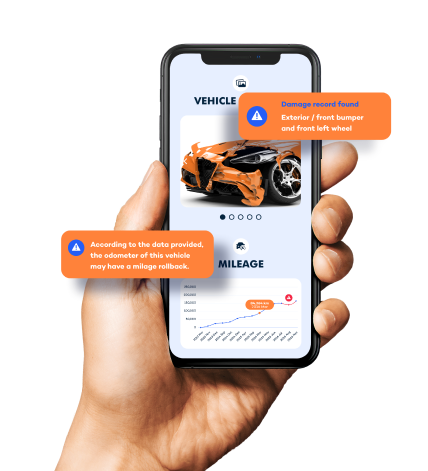
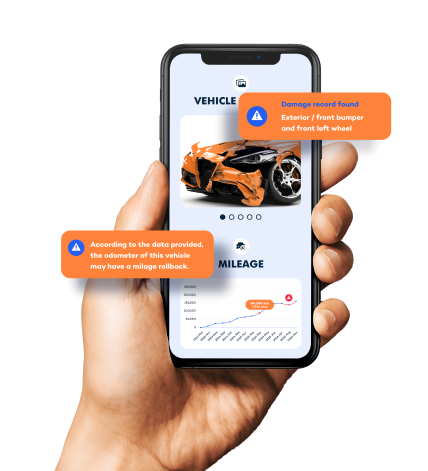
Use the VIN to confirm identity, title brands, liens, mileage pattern, recalls, and theft flags. Ask for a recent report or run your own.
- Title status
Clear vs salvage, flood, or rebuilt. Branded titles cut value and can affect insurance.
- Accident and repair markers
Major structural work or repeat accidents are red flags.
- Mileage timeline
Odometer should climb steadily. Backwards jumps are a hard no.
- Recalls
Check NHTSA by VIN. Recall repairs are free at franchised dealers.
- Theft or total loss
Run NICB VINCheck for theft and insurer total loss indicators.
- Liens
Do not pay until the lien is cleared and the release is in your hand. Re check before funds move.
What counts as good mileage
Plan on about 12 to 15 thousand miles a year. Judge the number with service records, driving style, and storage. A cared for 60 thousand can beat a neglected 30 thousand.
Title, liens, and the as is reality
The name on the title must match the seller. Any lien must be cleared. Lenders can claim the car later. Private sales are usually as is and state protections are thin. If the paperwork feels off, walk.
Key questions to ask the seller
- Why are you selling
Most answers are ordinary. Evasive ones are not.
- Any accidents or big repairs
Ask for invoices or photos and verify with the report.
- Service records
Oil, brakes, tires, major services. Paper beats promises.
- Title in hand
For private sales the ID must match the title. No title means no deal.
Timing and prep - quiet advantages
Preparation saves money. Get pre approved, sense check fair prices, and shop when dealers chase targets. End of month, quarter, or year. Model changeovers. Holiday promos.
- Pre approval
Know your ceiling and APR before you start. Credit unions are sharp. Loan Payment Check
- Market pricing
Cross check with several sources and local comps. Car Value Calculator
- Best timing
End of month, quarter, or year. New model arrivals. Incentives stack.
Negotiate to a clean out the door price
Work toward one number. The OTD price. Vehicle plus tax plus title plus fees. Fix the vehicle price first. Then talk trade in and financing. If it drifts past your cap, walk.
- Start low and move slow
Anchor with comps. Silence helps.
- Trade in last
Or sell private for more. Do not let trade math hide a higher price.
- Skip extras you do not need
Paint protection, VIN etch, extended warranty. Optional, not mandatory.
- Get it in writing
Contract must show the VIN and a clean, itemized OTD figure.
How to pay - cash, bank or CU loan, dealer finance, or lease
Cash avoids interest. Loans spread the cost. Bring a bank or credit union pre approval and let the dealer try to beat it. Leasing lowers the payment. It is not ownership and it comes with mileage and wear rules.

Budgeting - do not forget the extras
Sticker is not the bill. Add sales tax, DMV title and plates, doc fees, insurance, and the first service. Ask for the out the door quote before you sign.
- Sales tax
Often 6 to 9 percent depending on state and county.
- Registration and title
DMV fees, plates, and title transfer. Dealers can file for a fee.
- Doc fees and add ons
Know your state norm. Push back on junk fees.
- Insurance
Quote by VIN first. Confirm the premium fits the plan.
After you buy - paperwork, insurance, inspection
You are finished when it is insured, registered, and filed. Keep every document together and book early maintenance.
- Insurance first
Finance requires full coverage. Have proof at delivery.
- Title and registration
Dealers usually submit. Private sales need a DMV visit with the signed title and bill of sale.
- Temporary tags
Drive legally while plates arrive. Note the expiry.
- Recalls and first service
Check NHTSA for open recalls and put the first service on the calendar.
Can you return a car
Generally no. There is no federal cooling off rule for car sales. Only rely on a written return or exchange policy if the dealer offers one. Inspect and run history before you pay.
Conclusion
The safe sequence is short and repeatable. Confirm the need. Pick the right type. Inspect well. Run VIN and history. Lock a clean out the door price. Then sign. For running costs, model your fuel with Fuel Cost Check. Add Car Value Calculator and Loan Payment Check to pressure test the deal. Clear steps. Firm budget. Confident buy.
Frequently Asked Questions
What mileage is good for a used car
About 12 to 15 thousand miles per year. Maintenance history and highway use matter more than the raw number.
Dealer or private seller - which is safer
Dealers handle paperwork and may offer CPO or warranties but add markups and fees. Private sales can be cheaper but require strict checks. Clear title, ID match, and an NMVTIS backed report.
Can I return a car after I buy it
Usually no. There is no federal cooling off rule. Only rely on a written return or exchange policy if the dealer provides one.
Which fees should I expect at a dealership
Sales tax, title and registration, doc fee, and optional add ons. Ask for an itemized out the door quote and challenge junk fees.
When is the best time to buy
End of month, quarter, or year. Model changeovers and holiday promos also help. Weekdays are quieter and often more negotiable.
How do I check for a lien on the title
Run an NMVTIS backed report and inspect the physical title. Proceed only after a payoff or lien release is confirmed and re verified.
Do I still need a PPI if I have a report
Yes for used cars. A report shows history. A PPI checks current condition like brakes, suspension, leaks, and electronics.
What credit score helps with rates
Seven hundred plus usually unlocks stronger offers. Credit unions can be competitive below that. Pre approval sets your ceiling.
Dealer financing or my bank or CU
Bring a bank or CU pre approval. Let the dealer try to beat it. Pick the lowest APR with the cleanest terms.
How do I spot flood or salvage risk
Look for title brands like salvage, flood, or rebuilt on an NMVTIS report. Check for musty smells, rust under carpets and bolts, mismatched panels, and missing repair invoices.


JOIN THOUSANDS OF PEOPLE USING VINDOCS
Get vehicle history report instantly.


JOIN THOUSANDS OF PEOPLE USING VINDOCS
Get vehicle history report instantly.
Welcome to VinDocs. Here you can perform a VIN check to get the most comprehensive, insightful, and up-to-date car history report in the United States. Long gone are the days when it was nearly impossible to find a complete history of a vehicle.
TOOLS
COMMUNITY
COMPANY
SUPPORT
DECODERS BY MAKE
INFORMATION PAGES
VinDocs.com © All rights reserved 2026

