How to Use a PPSR Check in Australia to Avoid Title Fraud


If you’ve ever worried about buying a used car that’s still tied to a loan, you’re not being paranoid. It happens. The fast way to avoid it is a PPSR search before you hand over a cent. In plain English, PPSR tells you if a lender still has a claim over the car. If they do and the seller hasn’t settled it, the car can be repossessed. Not fun. Below is the quick version of how PPSR works, what it covers, and the easiest way to run it with Vindocs so you don’t get burned.
PPSR in plain English
PPSR is Australia’s national register for security interests over personal property like cars. If a vehicle has money owing, that interest should be recorded there. A PPSR check confirms whether the title is clear or not, and it also flags if the vehicle is written off or reported stolen. It won’t tell you everything about a car’s past, but it will stop the biggest mistake buyers make: paying for someone else’s debt.
Two ways to check with Vindocs
- Option 1 — PPSR only ($5)
Fast, cheap, and you get an official PPSR certificate for your records. Perfect if you just need to confirm title status before meeting the seller. Run it here: PPSR certificate.
- Option 2 — Full Report (PPSR included)
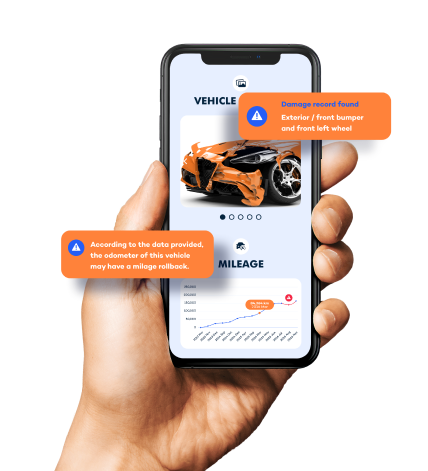
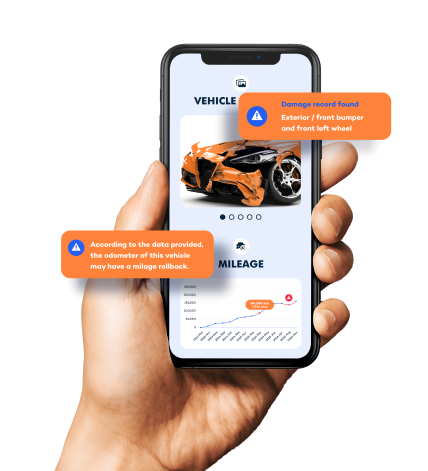
Covers more ground in one hit. You get PPSR plus additional history signals like previous write-offs, odometer consistency checks, and market context for price and mileage. If you want the full picture, this is the one to grab.
5-minute pre-buy checklist
- Match the VIN and rego
Check the 17-character VIN on the windscreen tag, door jamb plate, and under-bonnet compliance plate. Make sure it matches the papers and the seller’s details.
- Run PPSR before you pay
If PPSR shows a security interest, pause. Confirm the seller will settle it and rerun PPSR after. No clear certificate, no deal.
- Add the Full Report for the bigger picture
See write-off flags, mileage consistency, and other risk signs you won’t get from PPSR alone.
- Get proper paperwork
A signed receipt with VIN and rego, the seller’s full name, and the sale price. Keep your PPSR certificate and report with it.

What PPSR shows vs what it won’t
FEATURE | PPSR only ($5) | Full Report (PPSR included) |
|---|---|---|
| Money owing / security interest | ✓ (certificate) | ✓ (certificate) |
| Stolen or written-off flags | ✓ | ✓ |
| Accident and repair indicators | ✖ | ✓ |
| Odometer consistency signals | ✖ | ✓ |
| Market price & mileage context | • | ✓ |
| Everything in one place | • | ✓ |
Red flags to walk away from
- Security interest listed
If PPSR shows money owing and the seller won’t clear it first, it’s not your problem to fix. Step away.
- VIN mismatch anywhere
If the VIN on the car doesn’t match the paperwork exactly, don’t try to explain it away. Leave.
- Fresh paint and no invoices
Panels that look newly sprayed but no repair paperwork usually mean “move on”.
- Odometer jumps
Mileage should trend up steadily. Sudden drops or weird patterns are a hard no.
How to run your check with Vindocs
- 1) Get the VIN and rego
Ask for a clear photo of the compliance plate or windscreen tag. If the seller hesitates, that’s a sign.
- 2) Pick your path
If you only need title clarity, run the PPSR certificate for $5. If you want the bigger picture, choose the Full Report which includes PPSR.
- 3) Read the results
PPSR should say no security interests and no stolen or write-off flags. Your Full Report adds deeper risk checks and market context.
- 4) Only pay when you’re happy
If anything doesn’t add up, don’t try to rescue the deal. There are always other cars.
Conclusion
The PPSR search is the fastest way to dodge the biggest used-car risk in Australia. Spend a few dollars, get a clear answer, and keep the certificate. If you want the full story, pull the Vindocs Full Report with PPSR included and check odometer consistency, prior write-offs, and market context in one hit. It’s a few minutes well spent and it saves buyers from the worst kind of surprises.
Frequently Asked Questions
What does a PPSR certificate actually prove?
It confirms whether a lender has a registered claim over the vehicle and flags if it’s stolen or written off. If a claim is listed and the debt isn’t cleared, the lender can repossess the car even after you’ve paid the seller.
Is the $5 PPSR enough on its own?
It covers title and the big legal risks, which is essential. If you also want accident indicators, odometer consistency and market context, grab the Full Report where PPSR is included.
When should I run PPSR in the buying process?
Right before you commit to pay a deposit or the full amount. If PPSR shows a security interest, make the seller settle it first and re-run PPSR to confirm clear title.
VIN or rego — which should I use to search?
Use the VIN whenever possible and always match it physically on the car. You can use the rego and state too, but don’t rely on plate alone.
What if the seller says they’ll “clear the finance after”?
Don’t risk it. The correct order is: settle the finance, confirm it’s cleared with a fresh PPSR, then pay. If they won’t do that, walk away.


JOIN THOUSANDS OF PEOPLE USING VINDOCS
Get vehicle history report instantly.


JOIN THOUSANDS OF PEOPLE USING VINDOCS
Get vehicle history report instantly.
Welcome to VinDocs. Here you can perform a VIN check to get the most comprehensive, insightful, and up-to-date car history report in Australia. Long gone are the days when it was nearly impossible to find a complete history of a vehicle.
TOOLS
COMMUNITY
COMPANY
SUPPORT
DECODERS BY MAKE
VinDocs.com © All rights reserved 2026

