Full Checklist With Tips About Buying a New Or Used Car
- The Basics of Buying a Car
- Do You Really Need a Car?
- How to Choose the Best Vehicle for Your Needs
- New or Used? Which Is Best?
- Fuel Type
- Final Thoughts
- Additional Options
- Where Should You Buy a Car?
- Buying a New Car From a Dealership
- Buying a Used Car From a Dealership
- Buying a Car at Auction
- Buying a Car From a Private Seller
- Buying a Demonstrator Vehicle
- Importing a Car
- What Should You Look for When Buying a Car?
- How to Check a Car Before Buying
- What Is Considered Good Mileage for Used Cars
- Emissions
- Debts
- Questions to Ask When Buying a Car
- Process of Buying a Car
- Car Value Guide
- The Best Time to Buy a Car
- Budgeting, loans.
- What Extra Costs Should You Budget For?
- How to Negotiate Car Price
- How to Pay for a Car
- What Are My Country's Regulations, Laws, and Necessary Documents for Buying a Car?
- What to Do After Buying a Car
- After Buying a New Vehicle
- After Buying a Used Vehicle
- Can You Return a Car After Purchase?
- Conclusion


Buying vehicles in 2022 has unique challenges. This isn't the same market your parents encountered purchasing their first set of wheels. If you're looking to make your second or third vehicle purchase, this isn't even the same market that existed when you made your most recent buy - all the more reason you might need or want a modern buying guide!
Maybe you've been looking for a used automobile and having no luck, or perhaps your truck died and you need a replacement fast. Either way, there's so much information out there it's hard to know who to trust. You can sit back, relax, and keep reading because we've got you covered. This full-source guide to car buying in the craziness that is the 2022 automobile market covers everything from where to buy a ride and steps on how to buy a car to how to run a vehicle check to which fuel type is best, and more!
So, are you ready? Well, buckle up, and let's go!
The Basics of Buying a Car
There are lots of factors to consider when you're going to buy an automobile. The type of vehicle, whether you want a new or used one, and whether to buy from a dealership, a broker, online, or direct from the seller are all pretty obvious. Less so are the more minor details like your budget, what kind of vehicle checks you should run, registration, insurance, how to make sure the seller is honest, and even whether or not you even need an automobile.
Before learning how to buy the car you need, let's begin at the beginning with the most essential car buying question of all: do you really need one?
Do You Really Need a Car?
The first question you should ask yourself, way before you even begin looking for a vehicle, is whether or not you actually need one. We get it; it's tempting, especially if you like gadgets or shiny toys, or are an early adopter of the latest technology. A ride can be fun, exciting, and even a status symbol for some. You may want a car, but if you really sat down and thought about it, it might not be the best choice right now.
For others, however, owning a vehicle is a necessity. They live far from where they work or go to school, or use their vehicle for work. Not having reliable transport, in that case, can be downright catastrophic!
Think about reasons why to buy a car, or why the car is important for your daily life. You should also answer this crucial question: is it worth owning a car?
A few things to consider, then, before you learn the steps on buying a car:
Where do you live?
Are you in the city or the suburbs? Not only is this the greatest factor to consider, but you also need to look at what is around you. Dig a little deeper. Even in the suburbs, a car-less existence is possible, particularly if you live in a multi-use development or are close to shops and essentials.
Some city-dwellers might find that they can't get by without having their own set of wheels because they live in a food desert or a place that lacks reliable public transport or where it simply isn't safe to walk to shops and such.
Where do you work?
Do you live near where you work, work from home, or have a long commute? Could you carpool or ride share, use a bike, or take the train to the office? It's a very personal choice. Just know that if purchasing a vehicle right now is too expensive or complicated, there are ways to make your circumstances work for you.
Is there reliable public transportation?
Some areas are better known for well-run, reliable public transportation than others. New York City and Paris, Washington, D.C., and Boston all have exceptionally-run and reliable train and bus systems. Out in the suburbs, in places like Denver, service is up for grabs a lot of the time. If public transportation can reliably take you everywhere you want to go, you might consider waiting to buy.
Are you single, or do you have a family?
It may seem silly that this is even a question. After all, in some cities, young children ride buses or subway trains practically from birth. But if you have a child or two, and they each have activities and schools that are a distance from home or work, a motorcar might be a worthwhile investment. Don't stretch yourself too thin in a commitment to alternative transportation.
So, is owning an automobile worth it? That depends on your circumstances, both life and financial. Currently, with supply chain issues, gas prices, and insurance costs being what they are, if you don't absolutely need a ride, we recommend waiting. Costs should start to come down within the year, and manufacturing delays should begin to ease up.
However, we fully recognize that some people need cars for many reasons, and we hope you can find help here to navigate the unique challenges that come with motor vehicle purchasing in 2022.
How to Choose the Best Vehicle for Your Needs
You've determined that an automobile purchase is in the cards, but now what? How do you decide what car to buy? This might be the most challenging part, not just what make, but whether you want a four-door or station wagon, an SUV, or a truck. Sometimes, it's not a matter of what you desire but what you require.
Wondering how to decide which car to buy? What car you should buy depends on your needs. Do you need to haul a lot of cargo for home or work? In that case, a truck would, obviously, suit your circumstances better than a sporty two-door. Similarly, if you're married with kids, an SUV would be better than a truck. The car you want to buy should fit your life.
Something else to consider is how much you drive and how economical your chosen vehicle is, fuel-wise. If you have a long commute, a gas-guzzler definitely isn't a good everyday ride; instead, you might consider a hybrid or electric model. Do you drive in a lot of bad weather? Then an all-wheel drive option is better than a front- or rear-wheel drive vehicle.
Of course, if you're a veteran driver who has bought a vehicle before, these answers come quickly, and it's just a matter of finding the desired vehicle in your price range.
Don't rush when thinking about how to choose a new car. First-time buyers should be aware that choosing a car isn't like ordering fast food; you don't always get it your way, right away. You might strike out more than once, but the following first time buying a car tips will help. Just remember to be patient, and the right ride will come your way.
New or Used? Which Is Best?
Now we're getting to the important stuff! Do you want to buy a new or used car? Which choice is best, buying older cars or ones right out of the showroom? What are the advantages and disadvantages of both options? Like every buying decision you make, this largely depends on who the driver is, where they're going to drive most, your financial situation, and how easy either car is to come by where you're shopping.
For instance, if the driver is your newly-licensed teenager, unless you absolutely trust them, you probably don't want to get them a brand new BMW! A used car is typical for a teen's first vehicle. It's about safety, not status, with any teen's first wheels (though they may fight you hard on this!) If you need a so-called beater, something to drive in bad weather or to haul or do other heavy work, you may not even want a 'new' used car. Something older with more mileage might serve you better.
The pros of buying a new car include better fuel efficiency, improved safety features (also called bells and whistles or, for you techies, fun toys,) and more reliability. Those positives do come at a literal cost, though: higher registration fees, taxes, and insurance payments.
Buying second-hand cars can save you money, sure, and if you do your due diligence to make sure you're getting what you pay for, you can come out in good shape. However, if you buy from a private seller, you might be risking not only money, but safety, too. But we're getting ahead of ourselves.
You really do need to evaluate your needs, which are must-haves, versus your wants, which are things you desire but aren't deal-breakers. If you can't drive a stick shift, then it makes no sense even looking at vehicles with manual transmissions; any savings you get for not buying an automatic will be wiped out with the amount of time it can take you to learn the stick.
Do you need the power from a four-cylinder engine because you do a lot of highway driving, or can you make do with a three-cylinder because you're just driving surface streets? Do you need a dependable everyday car, or something fancy or a little bit special as a fun weekend ride? Are you ready to go electric and thinking about a SmartCar versus other electric models?
Think about what color automobile you want to drive. Something specific may require advance ordering, but you also don't want to buy a color you hate unless it's either a true emergency or a really good deal. The last thing you'd want is to hate green but end up with a neon green sedan because it was affordable!
Fuel Type
The most important question: what fuel is the best? That will ultimately be up to every individual buyer. First, let's look at some pros and cons of different fuel types.
Final Thoughts
You honestly can't go wrong with any of the top-performing SUV models in Australia. There is something for every price range and adventure level, so you're assured of satisfaction. Just remember to run a vehicle history report via Vindocs, whether you buy new or used.
VARIABLE | COST | READILY AVAILABLE | LOW EMISSIONS |
|---|---|---|---|
| PETROL | ✓ | ✓ | ✖ |
| DIESEL | ✓ | ✓ | ✖ |
| ELECTRIC | ✖ | ✖ | ✓ |
| HYBRID | ✓ | ✓ | ✓ |
As you can see from the above table, petrol and diesel have the advantage of being readily available whenever you need them. However, costs can be highly variable, as evidenced by current high petrol prices. Hybrid and electric vehicles have low emissions, but charging stations aren't ubiquitous enough yet to be able to just hop into your electric vehicle and hit the road. Instead, you have to plan stops at charging stations.
Another factor people don't always take into account is the initial cost. Not only are EVs and hybrids more expensive than petrol or diesel-powered vehicles, but oftentimes, there are higher taxes and registration costs as a result. Yes, there are some tax breaks for owning a hybrid or EV, but in most cases, the tax credits don't make up the difference. Additionally, there is a cost to install a home charging station and the associated impact on your electric usage. For more information, use this fuel cost calculator to forecast the costs of different fuel sources more accurately.
Additional Options
Extra features range from simple to complex. Once you get beyond the standard included features, everything costs money and, depending on the feature you want, time. Some more common dealer extras include:
GPS
Heated seats
Massaging seats
Sun/Moon roofs
Convertible top
Other add-ons have to be done as after-market modifications. Supercharged sound systems, spoilers, alternative paint jobs, and even handicapped-accessible options like wheelchair ramps and hand controls all need a third party to install them. However, it's easy to shop around for the best price, and some agencies and non-profit organizations will even help pay to make an existing vehicle accessible for disabled drivers.
Where Should You Buy a Car?
What are the best ways to buy cars? You have so many options! Used vehicles have many more purchasing options than their counterparts; new vehicles most commonly come right from a dealership, though you may also be able to purchase directly from the manufacturer in some cases. Tesla sells all its cars this way, and Volvo's XC40 and C40 Recharge electric models are also available direct to consumers.
You can use a broker, a private seller, a third-party seller like Costco, an auction, or any of the online car-purchasing sites for used cars, in addition to finding good deals at dealerships. Be aware, though, that there have been incidences of online sellers like Carvana offering incomplete or nonexistent vehicle reports or selling cars without a clear title. Always do your research on how to buy a car online or from a third party, new or used.
Buying a New Car From a Dealership
If you've done your research and know right off that you're going to be shopping for a new vehicle, in many cases, it's simply a matter of deciding what brand you want and going to the nearest dealership.
You'll typically meet a salesperson who will ask you if you know what model you're interested in and what features you want. The salesperson may also want to know the maximum you can spend. If you're very clear about your must-haves versus your wants and adamant about your budget, then the experience should be pretty straightforward.
If you don't know what model you want, the salesperson might bring a few different ones for you to peruse. When you settle on one, you give them your driver's license so you can do a test drive. This is the fun part, because you get to see how the automobile handles, how it fits you, and what it feels like inside.
Evaluate all of these things without bias. If you're tall and the car has a small interior, are you going to be cramped or have enough leg room? If you're short, can you get close enough to the brake and gas pedals without being too close to the steering column and, thus, the driver's side airbag? If you have kids, how simple will installing car seats or boosters be? Does the trunk or cargo area have enough room to haul what you need?
After the test drive, if you don't like the automobile, you'll keep looking. If you do, you and the salesperson discuss the price and payment. More on that later. Even if you test drive lots of cars, you can always walk away; you are never obligated to purchase a car until money changes hands.
Buying a Used Car From a Dealership
You have two choices when buying a used car from a dealership. You can go to a specific dealership like Ford and ask to see used cars, which will be any make and not limited to Ford. Alternatively, you can use a dedicated used auto dealer like CarMax; they only deal in used cars, so they know what kind of information you need and want.
The process is much the same as buying a new car, in that you test drive vehicles until you find one you like. Your choices are more limited when buying used because you can only buy what they have. You might end up with more or fewer features than you wanted, and you may not be able to choose precisely what color you want. However, sometimes dealers can move cars between locations in the same state or even bring what you really want in from another state.
Buying a Car at Auction
Buying a car at auction is a little bit like hitting a piñata - you never quite know what you're going to get until you get the vehicle. Now, there are a couple of different ways to manage a car auction. The first is an in-person auto auction, and the second is using an online service like eBay Motors. Both have their risks. Namely, you can't know the origin of the cars you're bidding on.
Are they surplus fleet vehicles or rental cars, repossessed vehicles, or did they come from police auctions? Did they come from an area that had flooding or hail? Without running a VIN check, there's no way to be sure that you're not buying a lemon or that your vehicle hadn't previously been totaled.
Of course, if you go the online auction route, you have to be on the lookout for scammers. Never give your banking information out to a seller, and don't pay in advance. That warning aside, you can get really good deals at an auction.
Buying a Car From a Private Seller
Buying from a private party can have some of the same challenges as purchasing at auctions. Unless you know the seller, beware of potential scams, and make sure you do your due diligence before agreeing to a sale. Finding cars from private sellers used to involve attacking the classified ads with a red marker.
Thankfully, now there are trading and selling forums and websites, never mind connections from family, friends, and even Facebook. To be safe, you'll need to familiarize yourself with how to buy a car on the internet. If you can get ahold of the VIN, you can run a vehicle report beforehand so you can be prepared to ask any questions or even haggle over the price.
Buying a Demonstrator Vehicle
A demonstrator vehicle is one that dealerships use for potential buyers to do test drives or, in some cases, for employees to drive. The benefits to buying a demonstrator vehicle are apparent: lower mileage than a typical used car, a significantly discounted price for a newer model than you could buy used, and a vehicle history that is both readily available and unlikely to cause any surprises.
If the vehicle was just used for test drives, you could be pretty confident about who has been driving the car and where. If an employee was the one putting miles on, you probably want to have the car checked out before you sign on the dotted line.
Anything from road wear on the tires to pesky rabbits nibbling on wires can compromise the integrity of the vehicle. You'll want to make sure the automobile has been adequately maintained and rides well, but there really are no downfalls to seriously considering a demonstrator.
Importing a Car
You hear about people importing an automobile from overseas all the time. Is it really cheaper to buy cars abroad? If the car you want isn't generally for sale in your home country, then you have no choice but to import one. Once you choose your make and model, there are a few steps you absolutely must follow to make sure you meet all the legal requirements for your home country. Besides the cost of the vehicle and currency exchange rate, some other things to take into account include:
Shipping costs
Customs forms and fees
Export taxes and fees
Import taxes and fees
Registration costs
Insurance
What Should You Look for When Buying a Car?
Buying a new automobile is fairly straightforward, but if the vehicle you want has any significant mileage on it, then you'll want to check the following:
Body
Examine the outside for dings, dents, scratches, and rust. Check to make sure the body panels are flush because offset panels can be a sign of an accident or repair. Open doors and the trunk, check under the hood, and look to see that the paint matches. Better yet, use the car paint code to ensure that you're not looking at a secondary paint job.
Interior
Look for rips, tears, and wear spots in the fabric or leather. Check the interior to see if it smells smoky or musty, a sign that someone has been smoking, or of internal water damage or a leak. Make sure you can roll the windows up and down, and that the glass isn't cracked or chipped. Run the windshield wipers, and check that the running lights and directionals work, front and rear.
Tires
The tires don't have to be brand new, but they surely shouldn't be bald or have a ton of road damage. You can use a pressure gauge to make sure there's a proper amount of air in them, and check the sidewalls and tread for tears, punctures, and slow leaks. If the tires are dried out, the motorcar hasn't been driven recently, so keep an eye on other systems, too. An easy way to check that the tires are still within their lifetime is the tire date code, which is like an expiration date for tires.
Wires, tubes, plugs, fuses, and gaskets
You'll know a car has been sitting for a while if when you open the hood, the seals and gaskets are dry or cracking. Check that wires haven't been corroded or otherwise disconnected; if an automobile has been sitting, rabbits, squirrels, and chipmunks like to gnaw on wires and tubes. Check the spark plugs and all the belts and fans.
Exhaust system, heater, and air conditioning
Is the muffler quiet, or does it make a chugging noise? Does the heater actually heat? Does the AC cool properly? Are there any musty or moldy smells coming from the vents?
Strange sounds when test-driving
When you test drive a car for sale, you always want to listen for any grinding, knocking, or other sounds that don't belong. Strange sounds can signal engine or brake problems. If possible, try getting on the highway to make sure the transmission shifts smoothly.
Fluid leaks
Look under and around the automobile for any evidence of fuel or other fluid leaks. You can tell what kind of leak it is by the color: black is oil, green is antifreeze, and reddish fluid is either transmission or power-steering fluid. Not only are leaks messy (and, in some jurisdictions, you can get a fine for having a car leaking fluids parked on the street), but driving with any kind of leak can harm the vehicle and you!

How to Check a Car Before Buying
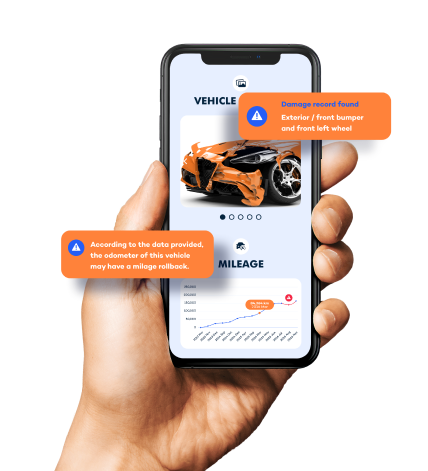
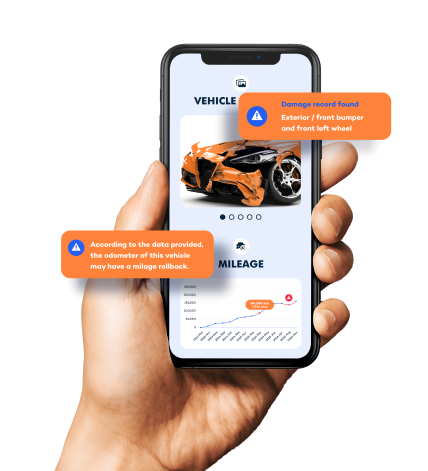
At Vindocs, vehicle checks are our business. From license plate checkers to vehicle history reports, we can help you find out all kinds of information about the car you're interested in. If you're buying a used car, especially, this information is critical.
Every car has a vehicle identification number or VIN. Getting vehicle information by registration and VIN is a quick way to learn a lot about the car you're going to buy. There are many VIN decoders available online, including the one from Vindocs. Use Vindocs vehicle history reports and VIN check to:
Verify the registration
See if the car has any theft reports against it
See if there are any safety recalls on the vehicle
Make sure there aren't any non-safety recalls (these are often cosmetic or functional recalls that don't affect driveability)
Look for odometer rollback fraud
Check if the title is clear or if there are liens or debts associated with the vehicle
View the entire ownership history
View the maintenance and repair history
Verify that the VIN specs match the specs of the vehicle you're purchasing
Check the PPSR, the Personal Properties Security Register certificate (Australia), to see if there are any debts against the vehicle that could impact your investment
Check the Written-Off Vehicle Register (or WOVR, also Australia) - vehicles can be written off if either the cost to repair it exceeds the value or it's too badly damaged to drive safely
Compare mileage and see if it matches
Check the consumer and safety ratings
What Is Considered Good Mileage for Used Cars
It's a really common question: which is better, a newer automobile with higher mileage or an older car with lower mileage? Well, it depends. You have to consider a number of factors, such as:
Where and how has the car been stored
Was the car garaged in a temperature-controlled environment, stored outside but covered and protected from the elements and weather, or was it left outside? Just this answer alone will tell you volumes about the vehicle's condition. Any vehicle left at the mercy of the elements could have rotting tires, bad wiring, rust, and interior water damage. While this can also happen to a vehicle stored indoors, the chances are slimmer.
How the vehicle was maintained
Has the car been serviced regularly? Has it received recommended oil changes, fluid top-offs, tire rotation or new tires, and other regular maintenance? Has it been driven recently, or has it been sitting unused? A newer vehicle with 50,000 miles or more has probably been driven long distances and had regular recommended maintenance. An older ride with less mileage may have been sitting around or not had care in a while.
Whether the car was used for highway driving or surface streets
There are two schools of thought when it comes to driving: one is that highway miles are better because there's less stop-and-go wear on the brakes and tires, and the other is that surface streets are kinder to the motorcar as a whole. Regardless of which opinion (or neither) is correct, have any used car inspected by someone who knows cars, because once money and keys trade hands, any problems are yours to deal with and pay for.
In summary, cars are considered new until their odometers read around 12,000 miles or 19,312 km. Low-mileage used cars can be fleet vehicles, rental cars, demonstrators, or repossessions. They also may be older models, well-maintained or not. There are other factors to consider when contemplating an older-model low-mileage vehicle, including:
Available safety features
Available technology
Fuel economy
Emissions
Initial price vs. repair costs
When you really look at what you need from a motorcar versus what an older model with low mileage can give you, you may decide that the risk involved just isn't worth it.
Emissions
Emissions requirements, greenhouse gasses, and global warming - sometimes it's a lot to take in, especially now that seasons are getting warmer, wildfires are devastating so many areas, and electric vehicles appear to be the wave of the future. But motor vehicle emissions impact more than just the environment; microscopic particles of carbon monoxide and hydrocarbon emissions can cause breathing problems, heart damage, and elevated cancer risk in people, pets, and livestock.
Nearly every nation or state has minimum emissions standards that cars must meet to be driveable or registered. Meeting these minimum standards by purchasing low- or no-emissions vehicles is great, but there are other steps you can take to reduce your vehicles' emissions output.
Some of these include:
Use public transit
Carpool a few times a week to reduce your fuel consumption
Bike or walk
Telecommute
Plan your route for errands to avoid unnecessary driving, or combine errands into a single trip since cars pollute less when they're already warmed up
Accelerate gradually - a smooth start uses less fuel
Inflate your tires properly
Keep your car tuned up
Avoid idling or running your car to warm it up on cold mornings
Debts
Buying a used car can be risky because it is possible that the title has debts against it. In Australia, you can do a PPSR certificate search which will tell you whether there is a lien against the title, whether the vehicle is written off, and other factors that could impact your ability to purchase and keep the vehicle.
Questions to Ask When Buying a Car
There are some things to consider when looking to buy a car. If you're buying a used vehicle in a private sale, be aware of sketchy practices like selling a car without a title, log book, or repair and maintenance record. A seller who claims they don't have those records could be an honest but neglectful owner, but they are more than likely a scammer. Buying a car without any documents can only cause problems for you. Without a title, you can't verify the VIN or mileage, any debts against the car, or even if the car has a theft report against it.
You will also want to ensure that you're not buying a flood-damaged car. Water damage infiltrates every part of an automobile, from the carpet to the exhaust and beyond. Besides compromising the structural integrity and electrical systems, improper handling can cause mold. There are no benefits to buying a flood-damaged vehicle. Don't even consider it.
Process of Buying a Car
How long it takes to buy a car depends on what you're looking for. If you want a new car and have spent some time thinking about precisely what you want, the process typically takes a few hours. But these aren't normal times, with COVID and supply chain disruptions plaguing the world market. To speed up the process, here are some things you can do in advance:
Have your documents in order: government ID, insurance, external financing, or a co-signer
Research, research, research: size, power, fuel economy, and the cost of new versus used
Promotions: Labor Day and year-end deals to look out for as dealerships clear old stock for incoming models
Car Value Guide
At Vindocs, we can help you with everything car-related. From sales guides for new and used cars to tips and tricks for negotiating the best price in a private sale, our website has all the information! We tell it like it is, and work for you to ensure that you get the best possible deals on new and used cars, whether you're buying a new automobile from a dealer or through a broker or a used car from a private sale.
The Best Time to Buy a Car
Those holiday weekend or Christmastime car commercials exist for a reason: those are some of the best times to buy a new car. You'll find the best deals and promotions or get extra money back on your trade-in. Financing may offer low or no interest for the life of your loan, or the dealership might add some extras for a reduced cost. Buying at the end of a quarter or a month may be advantageous because salespeople are trying to meet target sales quotas.
New models tend to come out around Labor Day, so dealerships are trying to clear out their old inventory in favor of shiny new models. The deepest discounts are typically on slow-selling models or models that are going to be discontinued or significantly changed.
Budgeting, loans.
All the decisions discussed so far are moot if you lack the budget necessary to buy an automobile and pay taxes, fees, and insurance. Assuming this is the first time you're purchasing an automobile, let's take a look at the intricacies of vehicle prices, some strategies for paying for a car, and how to make the most of your budget.
If you're buying from a dealership, either new or used, their financial services team can help you with getting a car loan, but depending on your circumstances, a private loan through your own bank might be better. That decision is up to you. A private loan will have lower interest rates, but if you have a few dings on your credit report, you might have better luck securing a loan through the dealership. You can use an auto loan calculator to get an idea of what your monthly payments might be so that you don't over-extend your finances.
What Extra Costs Should You Budget For?
Remember, though, that the price of the car isn't the only cost to worry about. Keep reading to learn some of the other expenses associated with owning a vehicle.
Finance charges
These are charges for the privilege of taking out a loan and are based on the interest rate determined by your credit rating and the terms of the loan. Reduce finance charges by putting down a larger down payment.
Sales tax
Sales tax is dependent on where you live. Even if your locale doesn't have one, there may be a special tax for automobile purchases.
Registration and title fees
Registration fees include road taxes, city or county taxes, registration tags, and license plates. They vary significantly by location and whether your car is new or used.
Dealership fees
These cover costs for paperwork and vehicle preparation, delivery fees if the car needs to move from one dealership or state to another, and even the dealer's expenses related to selling the car.
Car insurance costs
Your insurance may go up when you buy a new car. Research different companies to make sure you'll be able to afford your insurance as well as your car payment.
Owning a car is a major expense, but a necessary one in a lot of cases. Figure out what you can afford, including these hidden costs, before you even go to the dealership. That way, you'll know your limits and can avoid financial trouble down the line.
How to Negotiate Car Price
Don't end up spending more than you can afford. Here's how to play the mind game and negotiate a good deal:
Do your research
This may be redundant, but if you know what new or used cars are valued at before you go looking, you can negotiate in good faith. See what promotions other dealers are offering so you can haggle a better price.
Stick to your budget
Auto dealers will usually try to get you into the highest-cost vehicle. Stay adamant about what you can afford, and communicate that to the dealer.
Know your trade-in value
Get a few estimates ahead of time so you can negotiate a better trade-in deal. If the dealership doesn't budge, you can often trade in a vehicle without purchasing a new one at specialized used auto dealers like CarMax. If this is the case, sell your car and then use the money for a bigger down payment.
Feel free to walk away
Don't give in to pressure from the dealer, your spouse, or anyone. If you don't like the deal, leave it. You'll regret it more if you give in.
How to Pay for a Car
Paying for a car can seem daunting; next to buying a house, it's the most money you'll spend on a single item. And if it's your first car purchase, it can be downright terrifying! There are lots of ways to pay for an automobile, so let's take a closer look.
You can take a regular car loan from your bank or credit union. Typically, these loans have better interest rates and repayment terms, but they can be hard to get if you don't have an established credit history or have some dings on your credit report.
Dealership financing comes from a lender like a major bank or a dealership's in-house financing department. If you're still establishing your credit history, you'll probably need a co-signer to get a loan. The interest rates might be higher and the car will be collateral, so if you miss payments, the relevant parties can repossess the car.
Leasing a motorcar is another option. You arrange the terms, usually 24, 36, or 48 months. You pay a smaller monthly payment with a lower interest rate, and at the end of the lease, you can either get another lease on a new vehicle or arrange to buy out the lease at a reduced out-of-pocket price.

Financing from a car loan broker is advantageous because the broker will have access to the best cars and financing options out there. Brokers can access a larger variety of cars, set up one-stop test drives for more models, and access more low-cost loans than you get at a dealership.
Pre-approved car loans can work to your advantage on multiple fronts. Besides knowing exactly what your budget is before you step through the dealership doors, pre-approval often gets you the best possible interest rate and gives you more leverage to negotiate at the dealership.
Buying a ride with cash is always a good option, especially with a used car. However, you have to weigh the savings on interest rates and fees with such a significant outlay of cash.
Purchasing a vehicle for business is advantageous only if you'll be using the car just for company purposes. You'll receive tax benefits for deductions on oil changes, repairs, gas costs, and tires. If your business is an LLC, you also get added liability protection in case of an accident or property damage, which will prevent you from personally having to pay legal fees, medical costs, or damages.
What Are My Country's Regulations, Laws, and Necessary Documents for Buying a Car?
Guidelines for buying cars, as well as laws and documentation policies, vary between countries and states. Let's look closer at the laws in Australia.
Under Australian law, you have guaranteed consumer rights that protect you and your motor vehicle purchase, and the seller should provide you with a fact sheet outlining these consumer rights at the point of sale. As a buyer, you have the rights to:
a safe, durable, and defect-free automobile
have any problems disclosed before the sale
a car that matches the provided vehicle description, including mileage and VIN
a car with spare parts and repair facilities available
If you discover that your vehicle fails any of the consumer protections, you may be entitled to repair, replacement, or refund. However, you won't qualify for this entitlement if you have a change of heart about your purchase. You also can't access this benefit if you've damaged the vehicle or found a better price somewhere else.
Every state and territory has its own additional consumer protections, so contact the relevant authorities for more information.
New cars have to meet emissions requirements and display emissions and fuel consumption values on a label affixed to the front windscreen. Other documentation policies, including inspections, registration, and applicable paperwork, vary depending on your state or territory.
What to Do After Buying a Car
So now you've bought your new or new-to-you vehicle; you've taken care of payment, you have the keys, and you're ready to take a little joyride. But you need to slow your roll just a bit and take care of the business side of things.
The first thing you need to have is insurance. If you've never owned a car before, this can be a little bit daunting. But really, it's pretty easy. New cars should have full coverage, including liability and theft insurance. Do your research and pick the policy that both works best for you and fits your budget.
Be aware that a new car is more expensive to insure than a used car, and some locations consider drivers to be a high risk until they are 25 or even 30! Some companies will charge more for a male driver, and if you have any accidents or tickets on your record, that may also lead to higher premiums.
Always keep your registration and proof of insurance with your vehicle, but file the title, bill of sale, and loan documents, if any, in a safe place.
After Buying a New Vehicle
Here are some things you need to take care of after buying a new car in detail:
Insurance
If you're buying from a dealership and receiving financing, you won't be able to take the car unless you can show that you either have a new policy or that your existing policy has full coverage. There is usually a few days to a week's grace period to get the car added to a current policy.
Title
If you pay in full at a dealership, it will give you a copy of the title. If you financed your car, the financing company would hold the title until you pay off the loan.
Bill of Sale
A bill of sale is like a receipt and shows the seller, buyer, and purchase price. You need this to register your vehicle and to calculate the sales tax, if there is any.
Temporary Tags
Dealerships will give you temporary tags that allow you a set amount of time, typically 30-60 days, to register your vehicle.
Registration
To register your car, you need the bill of sale, the title or loan documents, proof of insurance, and your government ID. If the car is older than a particular year, which varies by state and country, you might need to show proof that it has passed an emissions test or a comprehensive inspection.
After Buying a Used Vehicle
Now, let's look at a list of things to do after buying a used car:
Title Transfer
If you bought your used car outright from a dealership, the dealer would sign the title over to you. The rules vary based on your location if you purchased it in a private sale. You may have to complete the transfer at the DMV, or the seller can just sign the title over to you, give you a bill of sale, and send you on your way. In that case, it is up to you to file the title transfer. If you financed your purchase, just like a new car, the finance company would hold the title until you pay off the loan.
Insurance
You need to insure your car before you register and drive it. Used cars have different requirements than new cars, so do your research. You don't want to be caught off guard.
Inspection
Have your car inspected by a mechanic or dealership. Some places require that every car passes a thorough inspection, new or used. If your locale doesn't, you should still have it done to prevent any problems later on.
Registration
You need the title, any loan documents, proof of insurance, and a government ID to register your used vehicle. Depending on your state and the age of the car, you might also need an emissions certificate. Get your emissions test done right away so that if you have to repair your car, you won't feel rushed.
Maintenance, repairs, and recalls
Scheduling maintenance should be a top priority, including an oil change, tune-up, and tire rotation or new tires unless the seller can prove they were done recently. Performing a recall search can also be beneficial. Some recalls are merely cosmetic, but others, like the Takata airbag or Ford tire recalls, take care of serious safety issues.
Can You Return a Car After Purchase?
Typically, you can't return a car once money changes hands. Most new automobile sales are exempt from consumer protection laws governing other large purchases. So-called 'lemon' laws for used cars vary by location, and there are virtually no regulations for private sales. Do your research, go on test drives, and be totally sure that you want to make the purchase before you hand over any money.
Conclusion
Car buying and all the inherent procedures and paperwork can be overwhelming. Ultimately, every decision about what car to buy, where to buy it, and how to pay for it is yours and yours alone. However, it helps to have all the information you need, which is why we've prepared this guide for buying a car. Now that you've read it, it's time to go out and get yourself a set of wheels!


JOIN THOUSANDS OF PEOPLE USING VINDOCS
Get vehicle history report instantly.


JOIN THOUSANDS OF PEOPLE USING VINDOCS
Get vehicle history report instantly.
Welcome to VinDocs. Here you can perform a VIN check to get the most comprehensive, insightful, and up-to-date car history report in Australia. Long gone are the days when it was nearly impossible to find a complete history of a vehicle.
TOOLS
COMMUNITY
COMPANY
SUPPORT
DECODERS BY MAKE
VinDocs.com © All rights reserved 2026

