Introduction to VIN History Reports
- What a VIN is and why it matters in SA
- VIN code at a glance
- Where to find the VIN on a South African car
- What a proper SA VIN history report shows
- VIN decode vs free checks vs VinDocs — what each covers
- Step by step — the safe buyer flow
- Common traps and walk-away rules
- Helpful tools while you shop
- FAQ
- Bottom line

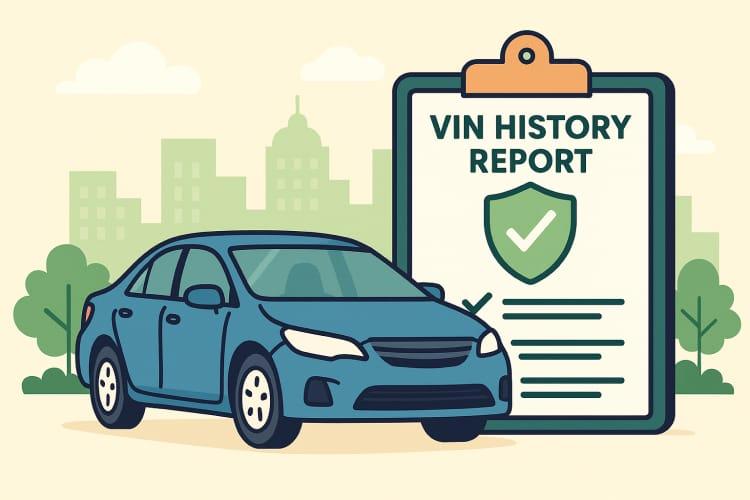
If you want to buy a used car or bakkie and you want to do it right, start with the VIN. That 17-character code is the car’s ID. A proper VIN history report can save you from a stolen shell, a cloned identity, or a write-off with shiny paint.
What a VIN is and why it matters in SA
VIN stands for Vehicle Identification Number. It is unique to the vehicle. Car makers stamp it on the body and it appears on your NaTIS papers and licence disc. Matching the VIN across the car and the documents is the first fraud check you can do yourself. If you are new to VINs, start here: Understanding VINs in South Africa.
- Identity first
The VIN links the car you see to its records at the traffic department and insurers.
- Fraud is real
Cloned VINs, tampered stampings and stolen rebuilds still make the rounds. A quick VIN history report helps you spot them early.
- Clean deal
If the VIN, engine number and NaTIS do not line up, walk away. There are other cars to buy.
VIN code at a glance
All modern cars use a 17-character VIN. It never includes I, O or Q. Here is the quick map so you know what you are looking at.
- WMI 1-3
World Manufacturer Identifier. Who built it and where.
- VDS 4-8
Vehicle Descriptor Section. Body and engineering details.
- Check digit 9
Helps detect typos or illegal changes.
- Year code 10
Build year. Sanity check it against the ad and papers.
- Plant 11
Factory code.
- Serial 12-17
Unique production sequence.
Where to find the VIN on a South African car
- Windscreen window
Driver-side corner at the base of the windscreen.
- Driver-door jamb
Sticker or plate near the latch area.
- Under the bonnet
Firewall plate or chassis stamp. Some makes also stamp on the suspension tower.
- NaTIS and licence disc
Registration certificate, licence disc and insurance papers should show the same VIN.
What a proper SA VIN history report shows
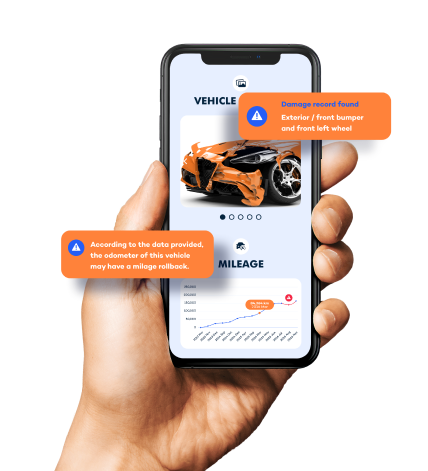
A VinDocs SA report ties identity to real-world risk so you are not guessing. Behind the scenes, checks lean on eNaTIS registration data, SAPS stolen records and insurer or auction indicators where available.
- Identity consistency
VIN and model details that match what is on the car.
- Stolen or clone signals
Flags that suggest theft, tampered stampings or duplicate identities.
- Write-off indicators
Markers that point to statutory or insurance write-off history.
- Odometer pattern
Mileage entries that rise sensibly across inspections and services.
- Registration trail
Province shifts and gaps that help you spot odd stories.
VIN decode vs free checks vs VinDocs — what each covers
CHECK TYPE | IDENTITY | STOLEN/CLONE | WRITE-OFF | ODOMETER PATTERN | REGISTRATION CONTEXT |
|---|---|---|---|---|---|
| VIN decode only | ✓ | ✖ | ✖ | ✖ | • |
| Free lookups | • | • limited | • | ✖ | ✖ |
| VinDocs SA report | ✓ | ✓ | ✓ | ✓ | ✓ |
Step by step — the safe buyer flow
- 1) Read the VIN on the car
Do not trust the advert. Photograph the windscreen window, door-jamb label and chassis stamp.
- 2) Match to NaTIS and the licence disc
The characters must match exactly. If they do not, walk away.
- 3) Run a VinDocs SA report
Identity, stolen and write-off signals, odometer pattern and registration trail in one place. Start here — VinDocs South Africa
- 4) Inspect and test drive
Listen for knocks, check for leaks and read the dash for warnings. Buying remote. Book a roadworthy and a trusted inspection.
- 5) Sort price and paperwork
Agree the out the door number. Keep copies of the NaTIS, ID and your report with the sale documents.
Common traps and walk-away rules
- VIN or engine number mismatch
Stop the deal. Report it if you suspect tampering.
- Clone signals
Stamping looks fresh, labels look new, histories do not line up. Walk away.
- Write-off you cannot insure
Some rebuilds are hard to insure or finance. Confirm before you pay.
- Mileage jumps backwards
A rollback is a deal breaker.
Helpful tools while you shop
- VIN Decoder
Confirm model and trim fast. VIN Decoder
- Car Value Calculator
Sense-check a fair price range. Car Value Calculator
- VinDocs SA report
Pull the full story before you pay. VinDocs South Africa

FAQ
What is a VIN number in South Africa?
It is a 17-character vehicle ID. You will find it on the car and on NaTIS papers. It links the vehicle to its official records.
How do I check a VIN for free in South Africa?
You can read and compare the VIN on the car and papers yourself. For a proper risk view, use a paid history report like VinDocs.
Can I check if a car is stolen with the VIN?
Yes. A VinDocs report surfaces stolen or clone indicators from national sources. If the report shows a flag, walk away.
Where is the VIN on my car?
Look at the windscreen VIN window on the driver side, the driver-door jamb label, the firewall or chassis stamp, and the licence disc.
What does a VIN history report show?
Identity match, stolen or clone signals, write-off indicators, odometer pattern and registration context. It helps you avoid a bad buy.
Bottom line
Start simple. Match the VIN on the car and papers. Run a VinDocs SA history report. If the identity is clean and the bakkie drives well, agree the out the door price and sign with confidence.


JOIN THOUSANDS OF PEOPLE USING VINDOCS
Get vehicle history report instantly.


JOIN THOUSANDS OF PEOPLE USING VINDOCS
Get vehicle history report instantly.
Welcome to VinDocs. Here you can perform a VIN check to get the most comprehensive, insightful, and up-to-date car history report in South Africa. Long gone are the days when it was nearly impossible to find a complete history of a vehicle.
TOOLS
COMMUNITY
COMPANY
SUPPORT
DECODERS BY MAKE
VinDocs.com © All rights reserved 2026

