Understanding Vehicle Identification Numbers (VIN) in South Africa
- What is a VIN?
- VIN Check South Africa: Why It Matters Before Buying a Car
- The History of VIN Numbers
- Where to Find the VIN on a Car
- What Information a VIN Check Can Reveal
- Why the VIN Is Important in South Africa
- Common VIN Issues in the South African Used Car Market
- How to Use the VIN When Buying a Used Car
- To Wrap It All Up
- FAQ

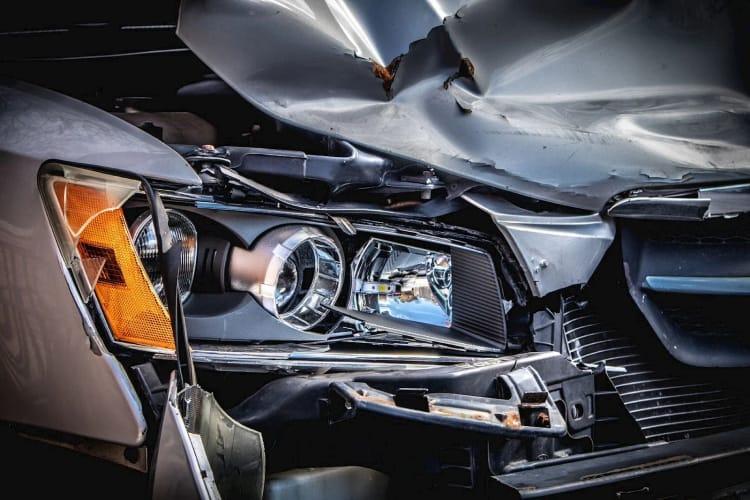
A Vehicle Identification Number, or VIN, is a unique 17-character code assigned to a vehicle. It works like the car’s permanent identity number and can be used to confirm its manufacturer, model details, production information and recorded history.
In South Africa, the VIN is especially important when buying a used car. It helps you match the vehicle to official NaTIS records, check whether the paperwork is consistent and reduce the risk of buying a stolen, cloned or misrepresented vehicle.
What is a VIN?
A VIN is a standardised 17-character code used worldwide to identify an individual vehicle. No two vehicles should share the same VIN, which is why it is so useful for ownership checks, insurance records and vehicle history searches.
The VIN can reveal information such as the manufacturer, country of origin, model year, body type and engine details. Use the VIN Decoder to see this breakdown for any vehicle. For used car buyers, it is one of the most important numbers to check before making a purchase.

VIN Check South Africa: Why It Matters Before Buying a Car
A VIN check is one of the smartest steps you can take before buying a used vehicle in South Africa. It helps confirm that the car in front of you is the same one listed on the paperwork and can highlight hidden risks that are not obvious during a quick inspection.
Before you pay, it is worth running a VIN check in South Africa to review the vehicle’s identity, history and possible warning signs.
The History of VIN Numbers
Vehicle identification was not always standardised. Before modern VIN rules, manufacturers used different numbering formats, which made vehicle verification and cross-border tracking much harder.
That changed in 1981, when the International Organization for Standardization introduced the modern 17-character VIN standard. Since then, VIN numbers have become the global way to identify vehicles accurately and consistently.
Today the VIN acts as a vehicle fingerprint. It stays with the car for life and is used by manufacturers, insurers, authorities and buyers around the world.
Where to Find the VIN on a Car
- Dashboard near the windscreen:
The most common VIN location is the driver-side dashboard, visible through the windscreen.
- Driver's door jamb:
Many vehicles display the VIN on a sticker or plate inside the driver-door frame.
- Chassis or frame stamping:
Some vehicles have the VIN stamped directly onto the chassis or frame for long-term identification.
- Engine bay or firewall:
Depending on the make and model, the VIN may also appear under the bonnet on the firewall or nearby structural metal.
- Official vehicle documents:
The VIN appears on registration paperwork, insurance records and details linked to the eNaTIS system.

What Information a VIN Check Can Reveal
- Theft indicators:
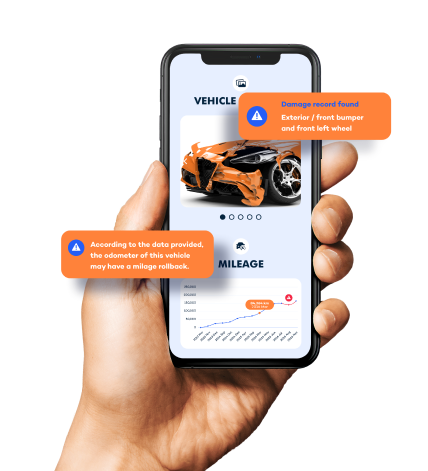
A VIN search can help uncover whether a vehicle has been reported stolen or linked to suspicious records.
- Accident or damage history:
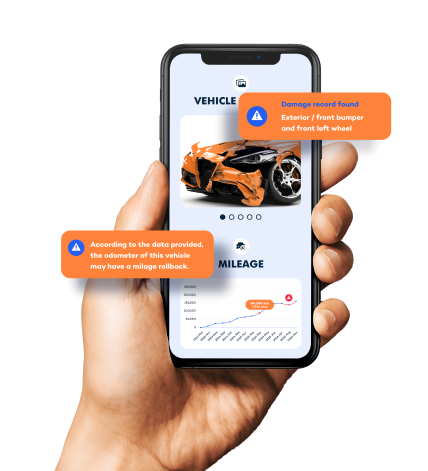
Some reports show previous damage-related records or other signs that the car may have been in a serious incident.
- Mileage inconsistencies:
Unusual odometer patterns may suggest mileage rollback or record gaps that deserve closer attention.
- Vehicle specifications:
Decoding the VIN helps confirm the make, model, engine and production details of the vehicle you are checking.
- Identity mismatches:
A VIN check can help flag cases where the vehicle details do not line up with what the seller or paperwork claims.
Why the VIN Is Important in South Africa
- Used car verification:
Matching the VIN across the car and documents helps confirm that the vehicle identity is legitimate before you buy.
- Police and theft investigations:
The South African Police Service relies on VIN numbers when identifying and tracing stolen vehicles.
- Insurance and licensing records:
Insurers and the Department of Transport use the VIN to make sure the correct vehicle is linked to the correct records.
- Microdot and vehicle identification controls:
Vehicle identification in South Africa can also be supported by microdot marking, which helps authorities verify a vehicle’s identity more accurately.
Common VIN Issues in the South African Used Car Market
- VIN cloning:
A stolen vehicle may be given the VIN of a legitimate car to make it appear clean on the surface.
- Tampered VIN plates:
Damaged, altered or replaced VIN plates can be a warning sign that the vehicle identity has been interfered with.
- Document mismatches:
If the VIN on the car does not match the NaTIS paperwork exactly, that is a serious red flag.
- Misrepresented vehicle details:
Some sellers may advertise a vehicle with incorrect year, trim or engine details. VIN decoding helps verify what the car really is.
How to Use the VIN When Buying a Used Car
Start by checking the VIN on the dashboard, door jamb and chassis or engine bay. Then compare it carefully with the registration certificate and any other official documents provided by the seller.
If the VIN matches everywhere, the next step is to run a vehicle history check. This can help you spot hidden issues before you commit to the purchase.
You should also treat any missing paperwork, unusual seller behaviour or VIN inconsistencies as reasons to slow down and verify more before paying.
To Wrap It All Up
The VIN is one of the most important tools available to South African car buyers. It connects a vehicle to its official identity, helps verify records and reduces the chance of buying the wrong car for the wrong story.
Whether you are checking a private sale, comparing documents or researching a used car online, understanding how VIN numbers work can save you money, stress and serious problems later.
FAQ
What is a VIN?
A VIN, or Vehicle Identification Number, is a unique 17-character code that identifies a specific vehicle and reveals key production and specification details.
Where can I typically find the VIN on my car?
Common places include the driver-side dashboard visible through the windscreen, the driver-door jamb label, the chassis or engine bay stamping and official registration documents.
Why is the VIN important for South African car owners?
It helps verify a vehicle’s identity, match it to official records, reduce fraud risk and support checks for theft, mileage issues and specification mismatches before a purchase.


JOIN THOUSANDS OF PEOPLE USING VINDOCS
Get vehicle history report instantly.


JOIN THOUSANDS OF PEOPLE USING VINDOCS
Get vehicle history report instantly.
Welcome to VinDocs. Here you can perform a VIN check to get the most comprehensive, insightful, and up-to-date car history report in South Africa. Long gone are the days when it was nearly impossible to find a complete history of a vehicle.
TOOLS
COMMUNITY
COMPANY
SUPPORT
DECODERS BY MAKE
VinDocs.com © All rights reserved 2026

