South Africa's Most Stolen Cars (2025)

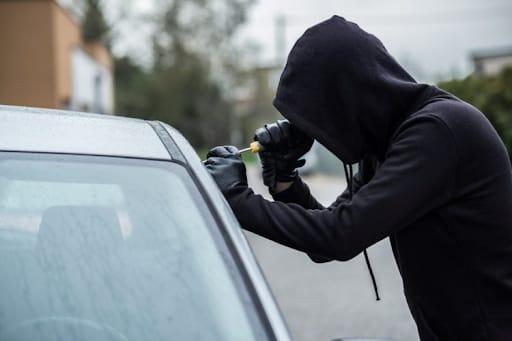
Vehicle crime remains alarmingly common in South Africa. Recent SAPS crime data shows that in early 2025 roughly 4,546 vehicles were hijacked over one quarter – about 50 vehicles per day . With such high theft rates, knowing which models are most at risk is crucial. In this update, we identify the current top 5 most stolen cars in South Africa, and explain how comprehensive car history reports (like those from VinDocs) can help you avoid hidden risks and protect your investment.
Unveiling the Top 5 Stolen Cars in South Africa
Criminals tend to hit vehicles that offer quick resale or valuable parts. Recent insurance and tracking reports consistently place certain models at the top of the list. Below are the five car models that have become prime targets, along with insights into why thieves favor them.
Toyota Hilux
The Toyota Hilux is by far the most targeted vehicle in South Africa. Experts note that the Hilux is “arguably the most hijacked car year after year” because of its rugged build and high resale value . Its durability and popularity make it especially appealing to criminals, who can sell its robust parts at a premium or move the whole vehicle across borders. In short, a stolen Hilux represents a fast way for thieves to profit, so owners must be extra vigilant.

Volkswagen Polo
Another frequent victim is the Volkswagen Polo. As one of South Africa’s best-selling hatchbacks, the Polo is an “easy target” for thieves . Its ubiquity on local roads means parts are constantly in demand. Criminals can quickly strip stolen Polos for components like doors, bumpers, and electronics, then sell these parts on the black market. In sum, the combination of popularity and parts value makes the Polo a thief’s favorite.
Toyota Fortuner
The Toyota Fortuner also ranks high on the thieves’ hit list. Its sturdy SUV construction and reliability translate to strong demand on the second-hand market. Insurers report that the Fortuner “is often targeted for parts or resale” due to its dependable build . The vehicle’s off-road capability and spacious engine bay make many components (and the whole vehicle) worth a lot to criminals. In short, a stolen Fortuner can yield significant profit for thieves, especially in areas where the vehicle’s trail can be covered easily.
Ford Ranger
The Ford Ranger pickup is another top target. Its combination of rugged durability and high market value means thieves see it as “highly valued” . Business users prize the Ranger for reliability, which translates to high demand for its parts. Criminals steal Rangers to strip parts like engines, transmissions, and bodies, or resell the vehicles intact. The strong demand and profitability make the Ranger a frequent prize in vehicle theft.
Nissan NP200
Small commercial vehicles have also become popular targets. The Nissan NP200 bakkie appears on many lists of stolen vehicles. Its practicality and wide use in urban and rural industries make it particularly vulnerable. Indeed, industry reports note the NP200 “is often hijacked due to its practicality and extensive use,” since its components (mirrors, panels, engines) are “highly sought after” . For criminals, a stolen NP200 offers both a versatile work vehicle to use or sell, and a trove of valuable parts.
The Appeal to Thieves 🚗
Why do criminals fixate on these models? Often it comes down to resale value and ease of theft. Popular cars like the Polo (and similar compact hatchbacks) are easy to blend in and can be quickly chopped for parts . Their spare parts have steady local demand, so thieves can convert them into cash fast. Likewise, compact work bakkies like the NP200 are targeted because many businesses buy their parts — thieves know they can unload components with little suspicion .
On the other hand, robust pickups and SUVs (Hilux, Ranger, Fortuner) offer high returns intact. Their strong frames and reliable engines fetch top prices in both local markets and neighbouring countries. A stolen Hilux or Ranger can be driven across borders or dismantled for valuable parts. In essence, the stronger build and popularity of these vehicles make them “highly valued” targets . Criminals exploit these factors to operate quickly and get maximum profit from each theft.

Why You Must Verify Your Car’s History
Finding out a vehicle is stolen after purchase can be devastating. Not only will you lose the money you spent, but the vehicle can be impounded without compensation, and insurance claims may be denied . Stolen cars may also be involved in other crimes, so owning one (even unknowingly) can cause major legal trouble. This is why using a thorough vehicle history report — which includes stolen vehicle checks — is vital before buying a used car.
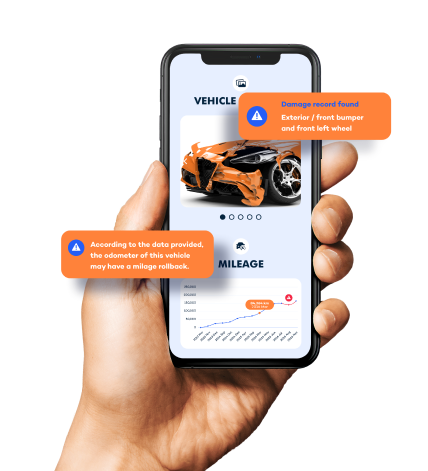
For example, VinDocs history report flags any record of theft or cloning associated with a car’s VIN. Having this information beforehand helps you:
- Avoid Legal Traps:
If a car is flagged as stolen, you can refuse the purchase. Owning a stolen vehicle can lead to it being seized by police (and possibly legal charges), so this check helps you stay on the right side of the law.
- Protect Your Investment:
Your vehicle is often your second-largest expense after your home. By verifying its history first, you prevent potentially losing that investment if the car turns out stolen or cloned.
- Gain Peace of Mind:
A clean history report means you can enjoy your car without wondering if it was involved in crime. You can drive with confidence, knowing the vehicle’s past is clear.
Common Questions
What happens to stolen cars in SA?
In practice, stolen vehicles often circulate in the underground market—sold multiple times to unsuspecting buyers, or dismantled for parts. Eventually, once identified, SAPS usually seizes these vehicles and aims to return them to their rightful owners. Unfortunately, many stolen cars (over 1.5 million by some estimates) never get recovered, having been exported or irreparably stripped. This makes verification before buying all the more important.
Are manual (stick-shift) cars safer from theft?
It’s a common belief that manual-transmission cars are harder for thieves to steal (since not all criminals can drive stick). While it might add a small layer of difficulty, modern thieves are typically very resourceful. In reality, any car can be stolen if security is poor. It’s best to rely on alarms, immobilisers, and tracking systems rather than transmission type alone.
Which cars are least likely to be stolen?
Generally, rarely-stolen cars tend to be less common models or those with advanced security features. Many luxury or niche models (and some older vehicles with heavy engine bays) see lower theft rates. South African data suggests that mainstream hatchbacks and bakkies are targeted far more often. In short, buying a car that is not on any “most stolen” list—and checking its history—is your safest bet.
What are the consequences of buying a stolen car?
Purchasing a stolen vehicle can land you in legal hot water. The law does not excuse unknowing possession. If the car is discovered to be stolen, it will be confiscated and you will lose ownership. You could also face charges for receiving stolen property. As one advisor warns, buyers risk having the car impounded and their insurance claim rejected.
How can I check if a car is stolen?
Before finalizing a purchase, do a VIN check through a reputable history report service. Services like VinDocs compile records from SAPS and other databases to alert you if the VIN has been reported stolen or cloned. In South Africa’s current landscape, knowledge is power—using a comprehensive vehicle history report is the surest way to avoid buying a stolen car.


JOIN THOUSANDS OF PEOPLE USING VINDOCS
Get vehicle history report instantly.


JOIN THOUSANDS OF PEOPLE USING VINDOCS
Get vehicle history report instantly.
Welcome to VinDocs. Here you can perform a VIN check to get the most comprehensive, insightful, and up-to-date car history report in South Africa. Long gone are the days when it was nearly impossible to find a complete history of a vehicle.
TOOLS
COMMUNITY
COMPANY
SUPPORT
DECODERS BY MAKE
VinDocs.com © All rights reserved 2026

