How to Do a VIN Check in the USA
- VIN basics you actually need
- VIN code anatomy — read it at a glance
- Quick win checklist before you hand over money
- Where to find the VIN on the car
- What a proper U.S. VIN check pulls from
- Step by step — the safe buyer flow
- VIN decode vs free checks vs VinDocs — what each covers
- If something looks off — here’s how to play it
- Helpful extras while you’re shopping
- Frequently Asked Questions
- Conclusion

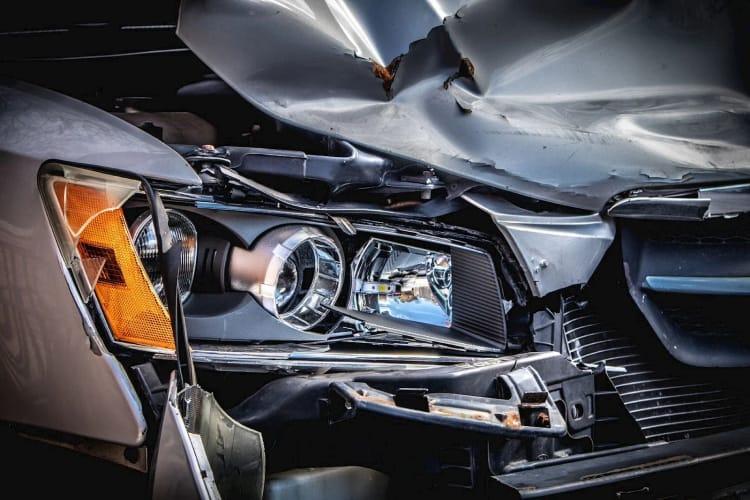
If you’re eyeing a used car and thinking “better double-check this,” you’re already ahead. A VIN check is a five-minute step that can save a five-figure headache. In the U.S., the calm way to do it is simple: match the VIN to the car and the paperwork, run an NMVTIS-backed report to spot title brands and liens, check recalls and theft, then pull a VinDocs USA report for accident signals and odometer patterns in one clean view.
VIN basics you actually need
VIN = Vehicle Identification Number. It’s a unique 17-character code stamped on the car and printed on the papers — the car’s passport number. You’ll use it to run official checks and to make sure the car in front of you is the same one that’s advertised.
VIN code anatomy — read it at a glance
VINs are always 17 characters and never use I, O, or Q. Here’s the quick map so you know what you’re looking at before you type it in.
- WMI — 1 to 3
World Manufacturer Identifier. Who built it and where.
- VDS — 4 to 8
Vehicle Descriptor Section. Model/body/engineering, varies by brand.
- Check digit — 9
A validity character that helps catch mistyped or altered VINs.
- Year code — 10
Model year. Sanity check it against the ad and paperwork.
- Plant code — 11
Which factory produced it.
- Serial — 12 to 17
Unique production sequence — the bit that makes your car yours.

Quick win checklist before you hand over money
- Match identity on the car
Read the VIN (and engine number when available) on the vehicle and compare them to the title/registration. If they don’t match, walk away.
- Run a NMVTIS-backed check
This surfaces title brands (salvage, flood, rebuilt), total-loss entries, theft signals and odometer readings. Use a trusted provider or go straight to VinDocs USA.
- Check stolen and recall status (free)
Use NICB VINCheck for theft/total loss flags and NHTSA Recall Lookup for open recalls.
- Confirm liens
If a lien exists, the lender still has a claim. The seller must settle it and show proof. Re-run your check before you transfer funds.
- Pull a VinDocs report
Get a single view of accident signals, odometer patterns, title brands, theft/total loss, recalls, and lien status. Start here: VinDocs USA
Where to find the VIN on the car
No guessing needed. It shows up in a few consistent spots. Compare what you see on the car to the papers and use that exact code for searches.
- Driver’s side dashboard
Look through the windshield at the base of the driver’s side for a small VIN window.
- Driver’s door jamb
Open the door and check the pillar or latch area for a sticker/plate.
- Engine bay
Firewall or a compliance plate under the hood (varies by model).
- Paperwork
Title, registration and insurance documents.

What a proper U.S. VIN check pulls from
Behind the scenes, the results draw on national sources so you’re not guessing. Short version:
- NMVTIS
The National Motor Vehicle Title Information System aggregates state DMV title brands, total-loss, and odometer entries. It’s the backbone for U.S. title checks.
- NHTSA
The federal recall database shows open safety recalls by VIN and whether a remedy is available.
- NICB & insurance data
NICB VINCheck surfaces theft/total-loss indicators reported by participating insurers.
Step by step — the safe buyer flow
- 1. Read the VIN on the car
Don’t rely on the ad. Compare against the title and registration. Photograph the plate and sticker.
- 2. Run a NMVTIS-backed report
Use a provider that pulls NMVTIS data for title brands/total loss and odometer entries.
- 3. Check recalls and stolen signals
Use NHTSA recall and NICB VINCheck.
- 4. Confirm lien status
If a lien shows, pause. The seller must settle the loan and provide a payoff or lien release. Re-run your check before paying.
- 5. Get a VinDocs report
Accident signals, odometer patterning, title brands, liens, theft/total loss and recalls in one place. VinDocs USA
- 6. Inspect and test drive
A clean report isn’t a substitute for your eyes and ears. Buying remote? Book a pre-purchase inspection.
VIN decode vs free checks vs VinDocs — what each covers
CHECK TYPE | IDENTITY | TITLE BRANDS | LIEN STATUS | THEFT/TOTAL LOSS | ODOMETER TIMELINE | RECALLS | ACCIDENT SIGNALS |
|---|---|---|---|---|---|---|---|
| VIN decode only | ✓ | ✖ | ✖ | ✖ | ✖ | ✖ | ✖ |
| Free official checks (NICB/NHTSA) | • | • | • | ✓ limited | ✖ | ✓ (NHTSA) | ✖ |
| VinDocs report (NMVTIS-backed) | ✓ | ✓ | ✓ | ✓ | ✓ | ✓ integrated | ✓ |
If something looks off — here’s how to play it
- Lien recorded
Ask the seller to clear it and provide proof. Re-run your check before you send funds.
- Salvage/flood/rebuilt brand
Ask for repair invoices and photos. Confirm you can insure it at normal rates.
- Odometer anomalies
Downward jumps or long flatlines are a deal breaker. Cross-check with service stamps.
- VIN mismatch
If the car’s identity doesn’t match the title, stop. There are other cars to buy.
Helpful extras while you’re shopping
Free tools that pressure-test the deal and the budget before you commit:
- Car Value Calculator
Sense-check a fair price range. Car Value Calculator
- Tyre/Tire Age Check
Old tires are a safety risk. Tire Age Check
- Fuel Cost Calculator
Estimate weekly or monthly fuel spend. Fuel Cost Calculator
- Loan Payment Check
Model repayments and total interest. Loan Payment Check
- Car Paint Tool
Plan a tidy-up properly. Car Paint Tool
Frequently Asked Questions
Can I just use the plate number instead of the VIN?
Plate + state can help you find the VIN, but always run the final check by the full 17-character VIN and match it physically on the car and on the title.
Is a free check enough to buy safely?
Helpful, but not enough. Free checks won’t show full title history, liens, or a proper odometer timeline. Pair them with an NMVTIS-backed report and a test drive.
How fast do I get a VinDocs report?
Reports are generated automatically, 24/7. Once you submit the VIN and pay, the PDF usually lands in your inbox within minutes.
What if the VIN is shorter than 17 characters?
Modern vehicles (1981+) use 17 characters and never I, O, or Q. If it’s shorter, re-check your reading. For older classics, use the chassis number and state records.
Conclusion
Do the free checks, use NMVTIS data for brands and liens, and then pull VinDocs USA to stitch the whole story together. If the report is clean and the car drives well, you can buy with confidence.


JOIN THOUSANDS OF PEOPLE USING VINDOCS
Get vehicle history report instantly.

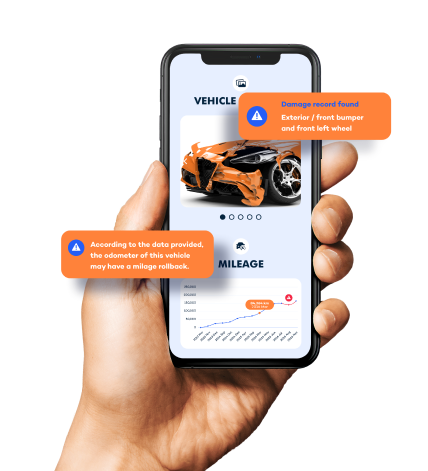

JOIN THOUSANDS OF PEOPLE USING VINDOCS
Get vehicle history report instantly.
Welcome to VinDocs. Here you can perform a VIN check to get the most comprehensive, insightful, and up-to-date car history report in the United States. Long gone are the days when it was nearly impossible to find a complete history of a vehicle.
TOOLS
COMMUNITY
COMPANY
SUPPORT
DECODERS BY MAKE
INFORMATION PAGES
VinDocs.com © All rights reserved 2026

