Exploring Today's Gas Prices in the USA

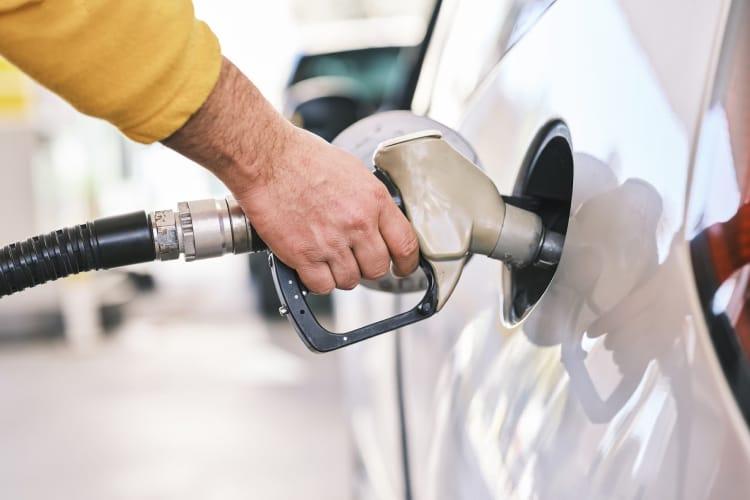
If you’ve ever pulled into a station and thought, “Should I fill up now or wait until tomorrow?” — you’re not alone. Gas prices move more than most of us realize, and a few cents either way adds up fast. That’s why we built U.S. Fuel Prices — a clean, simple page that shows today’s prices, yesterday’s change, and a plain-English view of tomorrow’s likely direction: rise, drop, or hold. No guesswork, just a quick read before you swipe your card.
What you can see at a glance
- Today’s national snapshot
Average prices for regular, midgrade, premium, and diesel across the U.S., all in one place.
- Change from yesterday
A small arrow up or down makes it obvious if prices are trending higher or slipping.
- Tomorrow’s direction
A simple callout — rise, drop, or hold — based on market signals we track daily. It isn’t a crystal ball, but it’s a helpful nudge before you fill.
- Plan your spend
Use the Fuel Cost Check to estimate weekly or trip costs based on your car and driving routine.
Gasoline grades — what to pick and why it matters
The grade you buy also affects what you pay. Most cars run perfectly on regular, but here’s the quick guide so you’re not buying more than you need.
- Regular gasoline
The default for most engines. Best value if your owner’s manual doesn’t insist on higher octane.
- Midgrade gasoline
A step up in octane. Useful if your car recommends it or if you notice knock under load on regular.
- Premium gasoline
High-octane fuel for performance or turbo engines that specify it. Worth it when the manual says “required,” optional when it says “recommended.”
- Diesel
Used in diesel engines — common in trucks and some SUVs. Often delivers better mileage and strong towing torque.
Why prices move — the short version
Pump prices are a blend of global oil markets and local costs. That’s the polite way of saying the number on the sign reflects a lot of moving parts.
- Crude oil price
When oil is cheaper, gasoline usually follows. When oil tightens, you’ll see it at the pump.
- Seasonal demand
Summer driving and holiday weekends push demand up. Winter often eases prices as refineries switch blends.
- Regional taxes and policies
State fuel taxes and environmental rules vary widely, so the same gallon can cost more in one state than the next.
- Weather and events
Hurricanes, refinery outages, and geopolitical news can ripple into temporary spikes.

How to use the Vindocs fuel page without overthinking it
- Check today, glance at tomorrow
See where prices sit right now and whether we expect a rise, drop, or hold. If a rise is likely and you’re near empty, fill up today.
- Match to your routine
If you usually refill on Fridays but the outlook shows a likely bump tomorrow, top up a day early.
- Plan trips with the calculator
Open Fuel Cost Check to estimate a full trip or weekly commute using your car’s MPG and current prices.
Simple ways to save a few dollars a month
- Don’t buy more octane than you need
If regular is fine for your engine, premium won’t make the car happier — just your station’s revenue.
- Combine small trips
Short hops burn more. Batch errands into fewer cold starts.
- Check tyre pressure
Under-inflation drags fuel economy down. A quick gauge check pays for itself.
- Lighten the load
Roof boxes, heavy gear, and clutter in the boot all nudge your MPG lower.
A quick word on direction calls
You’ll see a small note on U.S. Fuel Prices that says whether we expect a rise, drop, or hold. We look at a handful of daily signals to make that call. It isn’t about predicting the exact cent amount — just giving you a useful heads-up. If it says “rise,” and you’re close to empty, it’s usually smart to fill up today. If it says “drop,” topping up tomorrow might be kinder to your wallet.
Frequently Asked Questions
How often are the fuel prices updated?
Daily. The page shows today’s figures and yesterday’s change so you can see the trend at a glance.
What does “direction” mean on the page?
It’s a simple outlook for the next day — rise, drop, or hold. Think of it as a nudge, not a guarantee. Use it to time your fill-ups smartly.
Where can I estimate my own fuel spend?
Use Fuel Cost Check to model weekly or trip costs based on your MPG, distance, and today’s prices.
Why do prices differ so much between states?
State fuel taxes and local regulations vary. Add distribution costs and local demand, and you get noticeable gaps across state lines.
Do I need midgrade or premium?
Only if your owner’s manual requires it. “Recommended” means you can try regular first. If the engine knocks or the manual insists, step up.
Wrap up
If you’re trying to dodge price spikes or just keep a lid on your weekly spend, check U.S. Fuel Prices before you fill. You’ll see today’s prices, yesterday’s change, and a clear direction hint for tomorrow. Pair it with the Fuel Cost Check and you’ve got a quick, no-stress way to plan each tank and each trip — without guessing at the pump.


JOIN THOUSANDS OF PEOPLE USING VINDOCS
Get vehicle history report instantly.




JOIN THOUSANDS OF PEOPLE USING VINDOCS
Get vehicle history report instantly.
Welcome to VinDocs. Here you can perform a VIN check to get the most comprehensive, insightful, and up-to-date car history report in the United States. Long gone are the days when it was nearly impossible to find a complete history of a vehicle.
TOOLS
COMMUNITY
COMPANY
SUPPORT
DECODERS BY MAKE
INFORMATION PAGES
VinDocs.com © All rights reserved 2026

